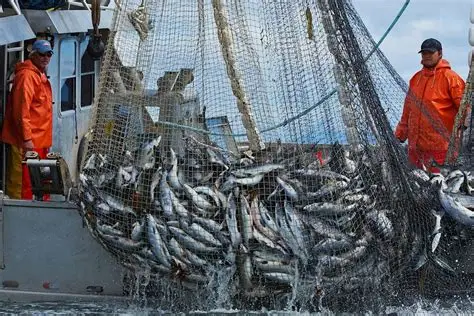
Fish farming in Rwanda has recorded steady growth in recent years, as government-backed investments, rising domestic demand and improved production techniques boost the country’s aquaculture sector, officials and industry players say.
The landlocked East African nation has been expanding aquaculture as part of efforts to strengthen food security, reduce reliance on fish imports and diversify rural incomes, particularly in areas where access to natural water bodies is limited.
According to officials at the Ministry of Agriculture and Animal Resources, fish production from ponds and cages has risen consistently, supported by training programmes, improved fingerling supply and the promotion of commercial fish farming models.
“Aquaculture is becoming an increasingly important contributor to Rwanda’s fish supply,” a ministry official said, noting that production growth has helped narrow the gap between domestic demand and local supply.
Rwanda’s fish farming activity is concentrated around man-made ponds, valley dams and cage systems installed in lakes such as Kivu, Muhazi and Burera. Tilapia and African catfish remain the dominant farmed species, accounting for the bulk of output.
More Read

The government has promoted aquaculture as part of its broader agricultural modernisation strategy, encouraging private investment while supporting small-scale farmers through extension services and access to inputs.
Farmers say improved access to quality fingerlings and feed has helped raise yields. “Before, productivity was very low because inputs were inconsistent,” said a fish farmer in eastern Rwanda. “Now we have better technical guidance and more reliable supply.”
Officials say the steady rise in production has been driven in part by increased adoption of cage fish farming, particularly on Lake Kivu, where private operators have invested in large-scale systems aimed at supplying urban markets.
More Read

The sector has also benefited from growing domestic consumption of fish, fueled by population growth, urbanisation and rising awareness of the nutritional benefits of animal protein.
Despite the progress, Rwanda still imports a significant share of the fish consumed domestically, mainly from neighbouring countries. Authorities say expanding aquaculture is key to reducing that dependence while creating jobs along the value chain, from hatcheries and feed production to processing and distribution.
Challenges remain, however. Farmers cite high feed costs, limited access to finance and disease management as constraints to faster expansion. Environmental concerns have also prompted stricter regulation of cage farming to protect water quality and biodiversity.
The government has responded by strengthening oversight of aquaculture operations and promoting sustainable production practices. Officials say zoning of water bodies and monitoring systems are being reinforced to ensure that growth does not come at the expense of the environment.
Industry representatives say further investment in cold storage, processing facilities and market linkages will be critical to sustaining momentum.
“With the right infrastructure and continued policy support, aquaculture has the potential to become a major contributor to Rwanda’s food system,” said an official from a farmers’ cooperative involved in fish production.
More Read

As Rwanda pushes to meet rising protein demand while limiting pressure on natural fisheries, authorities say fish farming will continue to play a central role in the country’s agricultural and economic strategy.