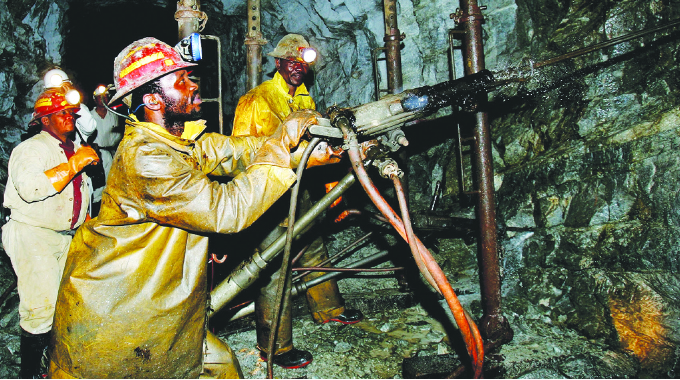
Mali is expected to secure higher financial returns from Canada’s B2Gold operations in 2026 as production ramps up at the Fekola Regional project, where the state holds a larger equity stake.
B2Gold said it expects to produce between 410,000 and 460,000 ounces of gold in Mali in 2026, marking a projected 13 percent year-on-year decline from the 530,769 ounces produced in 2025. Despite the anticipated drop in output, Mali could benefit from improved profit distribution tied to its 35 percent stake in Fekola Regional.

The Fekola complex includes the main Fekola mine Mali’s second-largest gold operation in which the government holds a 20 percent interest, with B2Gold owning the remaining 80 percent. In contrast, Bamako secured a higher 35 percent participation in the nearby satellite deposits grouped under Fekola Regional, while B2Gold retains 65 percent.

After a year of inactivity in 2025 due to delays in obtaining an exploitation permit, Fekola Regional is expected to resume activity in 2026. The project should contribute between 60,000 and 80,000 ounces of gold through ore trucking to the Fekola processing plant. B2Gold said it anticipates receiving the necessary exploitation permit for Fekola Regional in the first quarter of 2026.
Over its first five full years of operation through 2031, Fekola Regional is projected to deliver average annual production of around 180,000 ounces, significantly boosting Mali’s gold output and strengthening government revenue streams.
More Read

Higher production and elevated global gold prices in 2025 helped drive Fekola’s revenue up 83 percent year-on-year to $1.74 billion. However, revenue distribution does not directly mirror equity participation. While the Malian state’s 35 percent stake in Fekola Regional increases its share of potential dividends, it does not automatically translate into a larger portion of gross revenue.

In addition to dividends, the government earns royalties and corporate taxes linked to production and gold sales. In 2025, B2Gold declared US$277.9 million in royalties and taxes at Fekola, up sharply from $100.3 million in 2024.
Gold remains Mali’s main export and a cornerstone of its economy, accounting for a significant share of government revenue and foreign exchange earnings. The country has in recent years sought to renegotiate mining contracts and increase state participation in major projects as part of broader efforts to capture more value from its natural resources.
More Read


Analysts say the larger equity stake in Fekola Regional positions Mali to benefit more directly from future dividend payments, particularly if gold prices remain strong. At the same time, regulatory certainty and timely permitting will be key to ensuring production targets are met.
As B2Gold advances the Fekola complex, the Malian government is likely to closely monitor operational performance and fiscal returns, viewing the project as a critical source of revenue in a challenging economic and security environment.