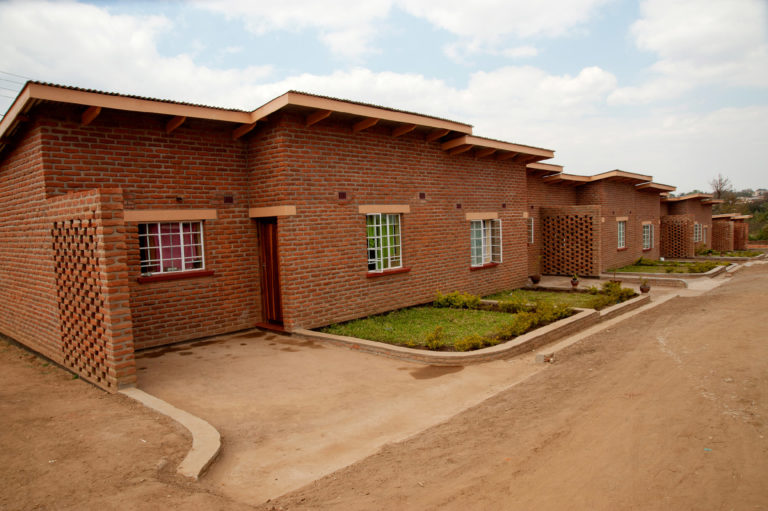
Kenya has launched a new affordable housing project valued at US$42.5 million, as the government intensifies efforts to address a growing housing deficit and expand access to low-cost homes.
President William Ruto on Tuesday inaugurated the Nasewa housing development in Matayos, part of a broader national program aimed at improving living conditions while stimulating economic activity.
The project, estimated at 5.5 billion Kenyan shillings, will deliver 2,000 housing units targeted at low- and middle-income households. Authorities say it forms part of a wider strategy to reduce the country’s housing shortfall and support inclusive urban development.
Beyond providing homes, the initiative is expected to generate employment opportunities, particularly for young people, while boosting demand for local materials and services. The development is also designed to complement the nearby Nasewa industrial and aggregation park, helping to create a more integrated local economic ecosystem.
Tackling a widening housing deficit
More Read

Affordable housing has become a central pillar of Kenya’s economic transformation agenda, as rapid population growth and urbanisation continue to strain existing infrastructure.
Government data indicates that the country faces an annual housing deficit of about 200,000 units. Demand is estimated at around 250,000 units per year, while only about 50,000 units are built annually—most of them in the high-end segment, leaving a significant gap in affordable housing supply.
At the same time, housing-related costs are rising. According to the Kenya National Bureau of Statistics, prices for housing, water, electricity, gas and other fuels increased by 1.8 percent between February 2025 and February 2026, adding further pressure on households.
More Read

Policy reforms and financing push

To address these challenges, the government has introduced a series of reforms aimed at scaling up housing delivery and improving access to financing. The 2024 Affordable Housing Act established a dedicated fund to support the construction and financing of housing projects across the country.
Authorities are also working to expand mortgage access, targeting a significant increase in the number of home loans from around 27,800 currently to about 1 million over time. The goal is to make home ownership more accessible to a broader segment of the population.
The Nasewa project is part of these efforts, reflecting a shift toward large-scale developments that combine housing with economic infrastructure to enhance sustainability and long-term impact.
Broader development push
The launch forms part of a five-day development tour by President Ruto across western Kenya, which includes visits to Kakamega and Vihiga counties to assess ongoing public projects.
More Read

During the tour, the president also inaugurated additional infrastructure initiatives, including the construction of a modern market in Budalangi valued at 130 million Kenyan shillings. The facility is expected to provide traders—particularly women and youth—with improved working conditions and better access to markets.
Outlook
Kenya’s renewed focus on affordable housing reflects broader efforts across Africa to address urbanisation challenges and improve living standards. By combining policy reforms, targeted investment and public-private partnerships, authorities aim to accelerate housing delivery while supporting job creation and economic growth.
If successfully implemented, projects such as Nasewa could help narrow the housing gap, stimulate local economies and contribute to more inclusive urban development in one of East Africa’s fastest-growing economies.