Guinea has injected more than US$100 million into its banking system in a bid to ease a persistent cash shortage, but the crunch has continued to disrupt daily transactions, exposing deeper structural problems in how money circulates through the economy.
Authorities say 908 billion Guinean francs (US$103.4 million) was released into banks during the first quarter of 2026 in an effort to improve the availability of cash, government spokesman Ousmane Gaoual Diallo said.

The move marks a sharp increase from the same period a year earlier, when only 66 billion francs was made available, underlining the scale of the challenge facing the West African country.
But despite the unusually large injection, long queues at banks and persistent withdrawal difficulties have continued, frustrating households, traders and businesses that remain heavily dependent on physical currency for day-to-day transactions.

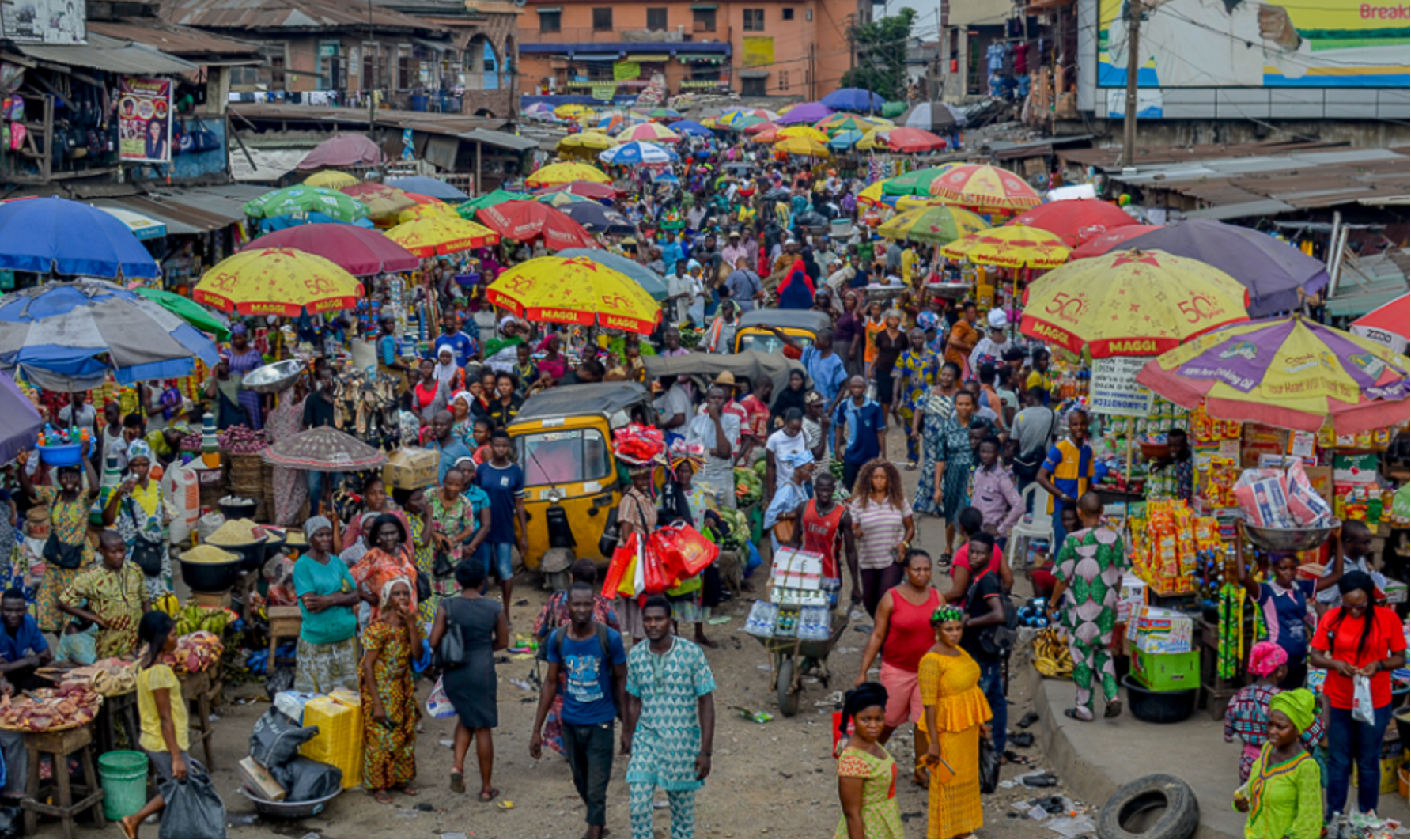
The shortages have become one of the most visible signs of economic strain in Guinea, where the informal sector dominates and cash remains central to commerce despite official efforts to modernise the financial system.
More Read

Officials insist the issue is not a conventional liquidity crisis.
Instead, the government and banking sector representatives say the main problem is that cash is not flowing back into the formal banking system quickly enough.
“The issue is not a lack of money in the system, but a blockage in circulation,” banking officials have said, pointing to widespread cash hoarding, uneven distribution of banknotes and the large volume of money held outside banks.
More Read

According to the central bank, the Banque Centrale de la République de Guinée (BCRG), around 94 percent of banknotes in circulation are currently outside the banking system.

That means most cash is being held by households, traders and operators in the informal economy rather than being redeposited into bank accounts, limiting banks’ ability to meet demand for withdrawals.
The situation has thrown a spotlight on the structural weaknesses of Guinea’s financial system, where banking penetration remains low and trust in formal institutions is still fragile.
Some depositors are reportedly reluctant to return money to banks because of stricter compliance checks and documentation requirements, while others prefer to hold cash as a hedge against uncertainty.
Delays in the production and transport of new banknotes have also worsened the shortage, according to the central bank, even as authorities have tried to increase supply.
The BCRG announced the release of new banknotes in August last year after placing emergency orders to address growing demand. Earlier this month, Governor Karamo Kaba said the institution had intensified operations to restore normal conditions.
More Read


Yet the persistence of the shortage suggests the problem runs deeper than a temporary mismatch between supply and demand.
For many Guineans, cash remains the only practical means of payment, especially in markets, transport, small retail and informal employment — sectors that account for a large share of economic activity.
That dependence has made the economy particularly vulnerable to disruptions in currency distribution.
The government has urged individuals and businesses holding large amounts of cash to return funds to circulation, while stepping up coordination with commercial banks to improve access for customers.
At the same time, the central bank is trying to use the crisis to push broader reforms.
Officials say Guinea is developing a strategy to expand financial inclusion, promote electronic payments and strengthen trust in the banking sector in a bid to reduce the economy’s heavy reliance on cash.
The challenge, however, remains significant.
Digital payment systems are still underdeveloped in many parts of the country, and large segments of the population remain outside the formal financial system altogether.
Analysts say any durable solution will require more than short-term liquidity injections.
It will also depend on improving access to banking services, lowering barriers to deposits, and convincing households and businesses that money is safer and more useful inside the financial system than outside it.
For now, the cash crunch remains a reminder that in Guinea, monetary stability is not only about how much money exists, but whether it can actually move through the economy.
Despite the central bank’s latest intervention, that movement remains badly impaired — leaving authorities to confront a crisis rooted as much in trust and financial structure as in currency supply.