A temporary U.S.-Iran ceasefire triggered a broad relief rally across global markets on Wednesday, but analysts warned that a durable resolution to the six-week-old conflict remains uncertain amid deep mistrust on both sides.
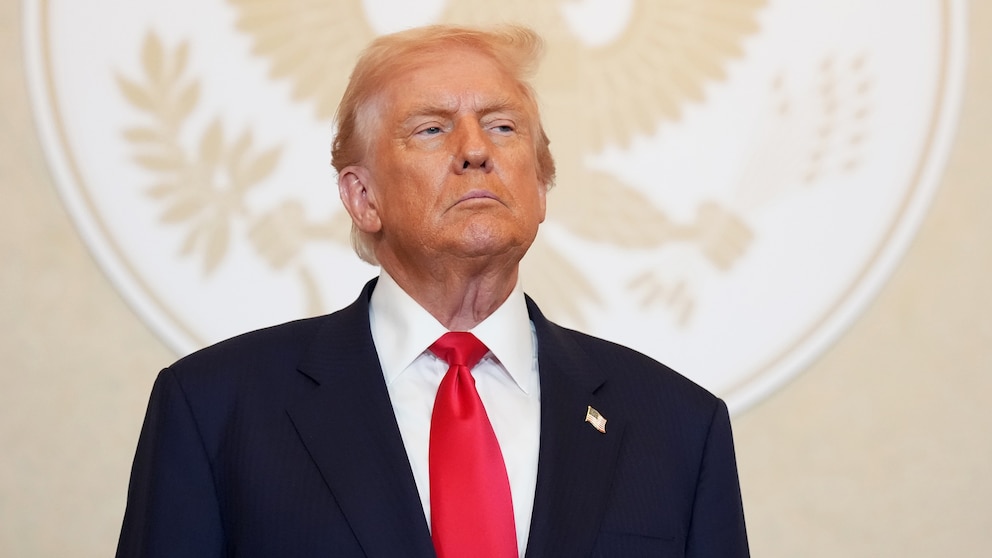
The truce came after rapid diplomatic efforts led by Pakistan, hours before U.S. President Donald Trump’s threatened deadline to launch massive attacks on Iran. The pause briefly averted further escalation in a war that has killed thousands and disrupted global energy supplies.

Following the announcement, oil prices cooled to below US$100 per barrel, though they remain far above pre-war levels of around US$70. Stock markets across Asia and the United States rose on expectations that de-escalation could stabilize energy and commodity markets.
While Trump described the two-week ceasefire as contingent on the “complete, immediate, and safe opening” of the Strait of Hormuz, Iranian officials allowed for passage only with coordination with their armed forces and technical conditions, leaving room for ambiguity.
“This is a problem that could derail the ceasefire later this year,” said Matt Gertken, chief geopolitical strategist at BCA Research, highlighting that Tehran’s coordination requirement adds uncertainty for shipping and energy markets.
More Read

Iran has reportedly finalized a joint maritime protocol with Oman to regulate tanker traffic through the strait, a move that could solidify Iranian control over this vital energy corridor. However, Israeli officials have insisted that deeper concessions from Tehran, including on uranium enrichment, remain necessary.
The ceasefire is widely seen as a temporary reprieve rather than a lasting peace. Pratibha Thaker, regional director for Africa and the Middle East at the Economist Intelligence Unit, described the arrangement as “a huge relief” but warned that a significant trust deficit on both sides will complicate negotiations.
“What we are seeing is a pause in the conflict, rather than a resolution,” Thaker said. “It is fragile and hinges on Iran suspending military activity and fully reopening the Strait of Hormuz. Both sides remain deeply skeptical of each other’s intentions.”
More Read

Analysts note that while the truce may hold in the short term, structural risks persist. Michael Langham, emerging markets economist at Aberdeen Investments, said vested interests in reopening the strait could limit immediate economic damage. “If the truce holds, central banks may resume pre-conflict policies, and attention could shift from inflation to growth,” he added.
Markets reacted with relief but caution. Geoff Yu, senior market strategist at BNY, noted that investors are watching for signs of a longer-term agreement rather than a temporary two-week pause. Disruptions have extended beyond crude oil to commodities like helium, vital for semiconductor production in Asia.
Josh Rubin, portfolio manager at Thornburg Investments, warned that visibility remains low. “There’s limited predictability on whether the truce will hold,” he said, highlighting that oil and gas prices may remain structurally elevated as governments continue hoarding in anticipation of renewed conflict.
Experts also pointed to political complexities. Mehran Kamrava, professor of government at Georgetown University in Qatar, said both Washington and Tehran show strong willpower to end the war, but Israel’s refusal to apply the ceasefire to Lebanon demonstrates regional friction.
“The past 48 hours have shown that a close alliance with the United States does not necessarily bring security. It creates both adversaries and uncertainties,” Kamrava added, citing President Trump’s incendiary statements on social media as a reminder of U.S. unpredictability.
While the ceasefire has eased immediate tensions and sparked a market rebound, analysts caution that global energy markets and geopolitical stability remain vulnerable, with a lasting peace still far from guaranteed.