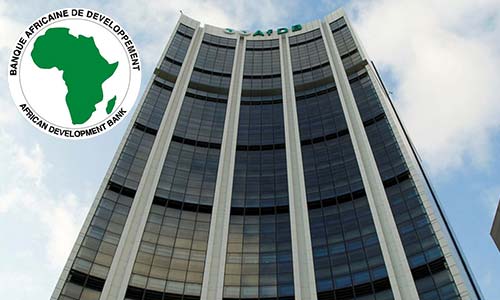
Economic growth across Africa is expected to slow to 4.2 percent in 2026, down from 4.4 percent in 2025, due to rising energy and food costs linked to geopolitical tensions in the Middle East, the African Development Bank (AfDB) has said.
In its annual economic outlook released on May 26, the AfDB said Africa would remain one of the world’s fastest-growing regions, alongside Asia, outperforming Europe and Latin America despite global headwinds.
The Bank, however, cautioned that the continent’s growth trajectory remains vulnerable to external shocks, particularly disruptions in energy markets and supply chains.
It projected a rebound to 4.4 percent growth in 2027, assuming that current geopolitical tensions and their impact on global energy and fertilizer prices remain temporary.

“The impact of this shock on growth and macroeconomic stability will depend on the duration of disruptions in supply chains and their impact on global energy and fertilizer prices,” the report stated.
More Read

The AfDB said the slowdown reflects increased pressure from higher import costs, especially for fuel and food, which are feeding inflation and tightening fiscal conditions across many African economies.
It noted that the East African region, one of the continent’s most dynamic economic blocs, is expected to experience a sharper slowdown of more than half a percentage point in 2026, largely due to rising energy costs and heightened food security risks.
The report also highlighted the broader macroeconomic implications of global geopolitical instability, particularly in the Middle East, which has contributed to volatility in global oil markets and increased transportation and production costs across Africa.


The AfDB warned that the duration of these shocks will be a key determinant of their overall impact on growth, inflation and debt sustainability across African economies.
Longer disruptions could deepen fiscal pressures in countries already struggling with limited revenue bases and rising public debt, while also affecting fertilizer availability and agricultural output.
Despite these risks, the Bank emphasized that Africa remains relatively resilient compared to other regions, supported by structural reforms, infrastructure investments and gradual diversification of economies.
The report was released during the AfDB’s annual meetings in Brazzaville, Republic of Congo, where policymakers and financial experts gathered to discuss strategies for mobilizing domestic capital for development financing.

The meetings also took place amid concerns over regional health risks, including fears that an Ebola outbreak in neighboring Democratic Republic of Congo could affect proceedings. However, organizers confirmed that no cases had been detected in the host country.
AfDB President Sidi Ould Tah, who assumed office in September, reiterated that mobilizing domestic resources remains central to the Bank’s strategy for financing Africa’s development agenda.

He emphasized the importance of strengthening internal capital markets and reducing reliance on external financing as part of a broader effort to achieve sustainable and inclusive growth across the continent.