Nigeria’s spending on petrol imports collapsed by more than 96 percent year-on-year in the first quarter of 2026, falling to just 87.4 billion naira (US$64.3 million) as rising domestic refining capacity sharply reduced reliance on foreign fuel supplies, official data showed Monday.
Figures from the National Bureau of Statistics (NBS) indicate that expenditure on Premium Motor Spirit (petrol) dropped by 2.18 trillion naira (US$1.61 billion) compared with the 2.27 trillion naira (US$1.67 billion) spent in the corresponding period of 2025.
The steep decline marks a major shift in Nigeria’s downstream petroleum market, where petrol had historically been one of the country’s largest import items for decades due to insufficient local refining capacity.
According to the report, petrol classified as “Motor Spirit Ordinary” did not feature among Nigeria’s top traded commodities in the first quarter o2026, underscoring its diminished role in the country’s import basket.
The NBS said the product was absent from the list of the top 19 traded goods across global, African and West African markets during the review period.
More Read

Instead, Nigeria’s import profile was dominated by crude petroleum oils, gas oil, durum wheat, machinery for data transmission, used vehicles and industrial inputs such as chemicals and fuel additives.
The statistics office noted that total imports for the quarter stood at 13.62 trillion naira (US$10.02 billion), representing an 18.17 percent decline year-on-year and a 21.05 percent drop compared with the previous quarter.
The broader category of “other petroleum products” also recorded a sharp contraction, falling to 748.1 billion naira (US$550 million), a decline of 85.05 percent year-on-year and 81.38 percent quarter-on-quarter.
More Read

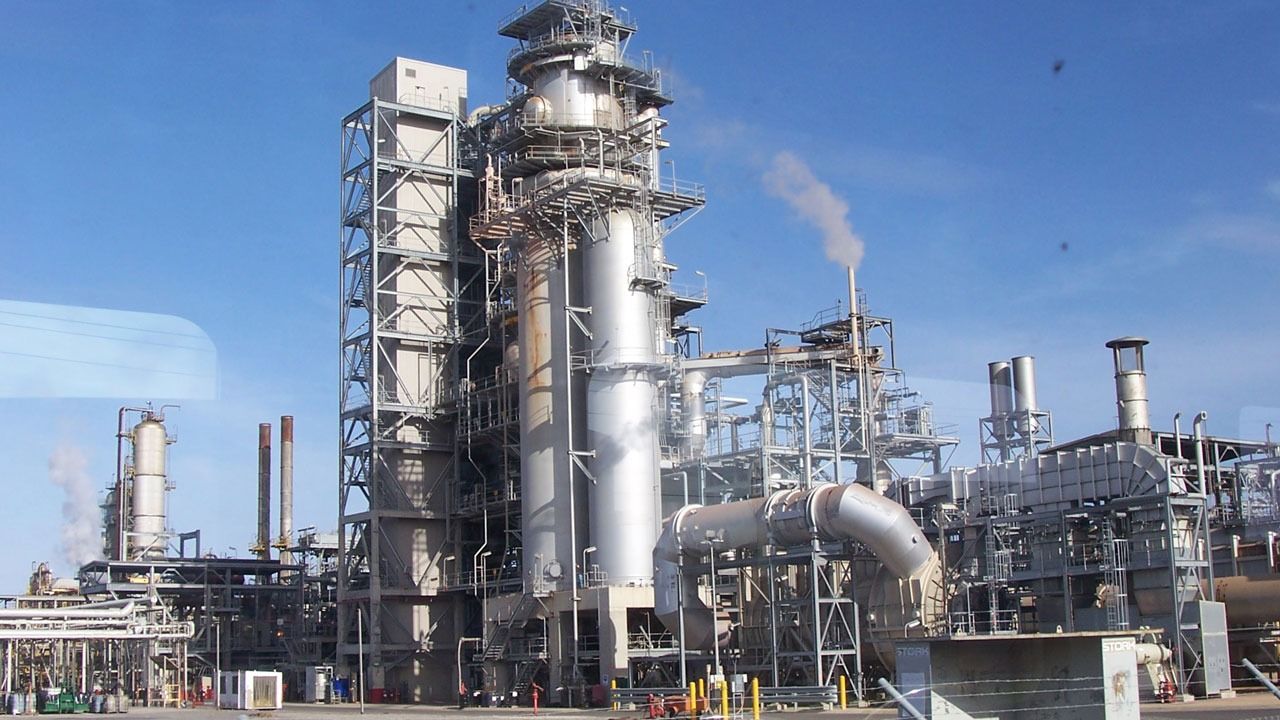
Analysts say the collapse in petrol imports reflects structural changes in Nigeria’s energy supply chain, driven largely by increased domestic refining output and gradual displacement of imported refined products.
Nigeria’s fuel import bill has fluctuated significantly in recent years. Data show that petrol imports stood at 2.69 trillion naira (US$1.98 billion) in the first quarter of 2022 before declining to 2.03 trillion naira (US$1.49 billion) in 2023.
However, imports surged again in 2024, rising to 3.81 trillion naira (US$2.81 billion) amid supply disruptions and continued reliance on imported fuel.
The trend reversed in 2025, when petrol import spending dropped to 2.27 trillion naira (US$1.67 billion) before collapsing further to the record low level recorded in 2026.
The latest figure means that for every 100 naira spent on petrol imports in early 2025, only about four naira were spent in the same period of 2026.
Despite the dramatic fall, crude oil imports and other industrial petroleum inputs remained significant components of Nigeria’s trade structure, suggesting continued complexity in the country’s energy value chain.
More Read

The NBS report also highlighted broader shifts in Nigeria’s trade dynamics, with total merchandise imports shrinking while exports expanded, resulting in a strong trade surplus during the quarter.
Economists say the sharp decline in petrol imports could ease pressure on Nigeria’s foreign exchange reserves and improve external account stability, given the country’s historical dependence on imported refined fuel.
However, they caution that sustaining the trend will depend on the reliability, capacity and efficiency of domestic refineries, as well as the stability of supply chains within the downstream sector.
Nigeria’s fuel market has undergone major reforms in recent years, including partial deregulation and efforts to revive local refining, which policymakers say are aimed at reducing import dependence and strengthening energy security.
The latest data suggest those policies are beginning to reshape trade flows, even as the long-term sustainability of the shift remains closely watched by analysts and industry stakeholders.