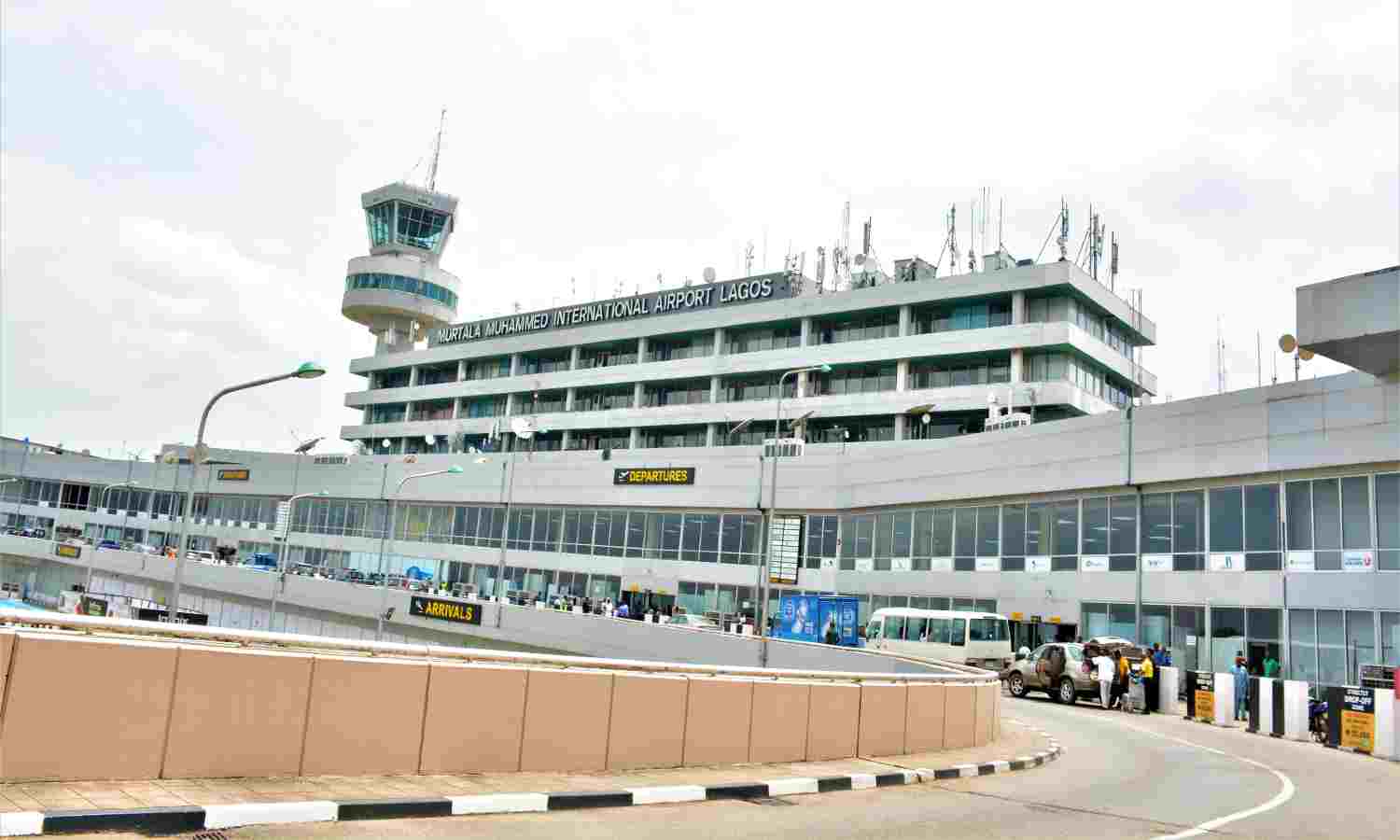
President Bola Tinubu has approved US$500 million (≈₦680 billion) for the modernisation of Nigeria’s busiest airport in Lagos, as part of efforts to upgrade infrastructure and strengthen the country’s aviation sector, the aviation minister said Monday.
Minister of Aviation and Aerospace Development Festus Keyamo said the funds will be used to overhaul facilities at the Murtala Muhammed International Airport, which handles about 67 per cent of Nigeria’s international passenger traffic.
“The president has approved $500 million, not borrowed money, but from the country’s savings to rebuild the airport in Lagos,” Keyamo said at the Invest Lagos 3.0 Summit.
He said the investment would transform the 50-year-old airport into a modern regional hub within 22 months.
Terminal upgrades and infrastructure expansion
According to the minister, the modernisation plan includes the reconstruction of Terminal One, first commissioned in 1979, along with new access roads and a full redesign of airport facilities to meet international standards.
More Read

Authorities also plan to link the airport’s domestic and international terminals to Lagos’ rail network, currently ending at Ikeja, in a move aimed at improving connectivity and passenger flow.
“We are working with the Lagos State Government to extend that rail line all the way to the international airport,” Keyamo said.
Regional hub ambitions
The government says the upgrade is part of a broader strategy to position Lagos as a major aviation hub in Africa, leveraging its geographic location to connect flights to Europe, the Middle East and parts of South America within six hours.
More Read

Officials argue that improved infrastructure will enhance Nigeria’s competitiveness in regional air travel and attract greater private-sector investment into the aviation industry.
Keyamo also disclosed plans for a new airport project in the Lekki corridor, as part of long-term efforts to expand capacity in Lagos State.
Sector challenges and investment push
The Lagos airport, Nigeria’s busiest, has long faced challenges including congestion, ageing infrastructure and maintenance deficits, which officials say have limited its efficiency and passenger experience.
The minister urged investors to take advantage of opportunities in aviation infrastructure development, noting that both federal and state governments are actively seeking private-sector participation in airport projects.
He said the planned upgrades are expected to support economic growth, improve logistics efficiency, and strengthen Nigeria’s position in regional and global air transport networks.
The announcement comes amid broader government efforts to modernise critical infrastructure and attract investment into transport, energy and logistics sectors across the country.