Inflation expectations in South Africa have risen sharply in the second quarter of 2026, as rising global oil prices linked to geopolitical tensions pushed households, businesses and unions to revise their forecasts higher, according to a central bank–commissioned survey.
The survey showed that average inflation expectations for 2026 increased to 4.4 percent, up from 3.6 percent in the previous quarter, while projections for 2027 and 2028 also climbed to 4.2 percent and 3.9 percent, respectively.
The survey is closely watched by the South African Reserve Bank, which uses it to guide monetary policy decisions, particularly interest rate settings.
Inflation in the country accelerated to 4.5 percent year-on-year in May, the highest level since July 2024, reflecting upward pressure from energy costs and other imported price shocks.
The Reserve Bank targets inflation at 3 percent, with a tolerance band of 1 percentage point on either side, meaning current readings are drifting toward the upper edge of its target range.
More Read

The central bank recently raised its benchmark interest rate by 25 basis points to 7 percent, marking its first rate hike in three years as it responded to renewed inflationary pressures.
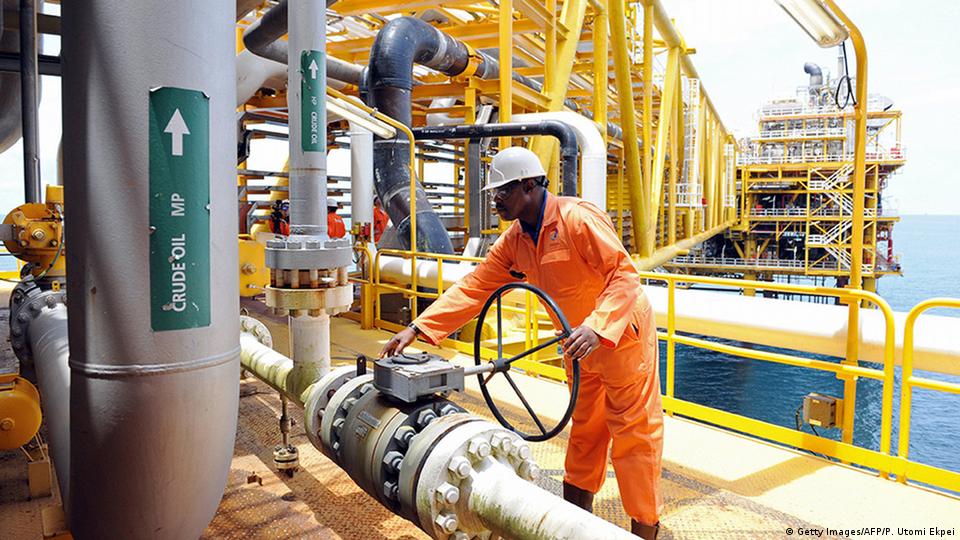
The oil price shock, driven by the Iran conflict, has been a key factor behind the revised expectations, with higher energy costs feeding into broader price increases across transport, food and production inputs.
Economists note that inflation expectations are particularly important because they influence wage negotiations, pricing decisions and long-term financial planning, often shaping actual inflation outcomes.
More Read

The Reserve Bank’s next monetary policy announcement is scheduled for 23 July, and markets will be watching closely for signals on whether further tightening may be needed if inflation remains elevated.
For now, policymakers face a delicate balance between supporting economic growth and preventing inflation expectations from becoming entrenched above the official target band.