Global airline stocks tumbled Monday while airfares surged sharply after conflict involving Iran pushed oil prices above 100 dollars a barrel, fuelling fears of a major slowdown in travel and raising the prospect that some carriers may ground aircraft to cope with rising fuel costs.
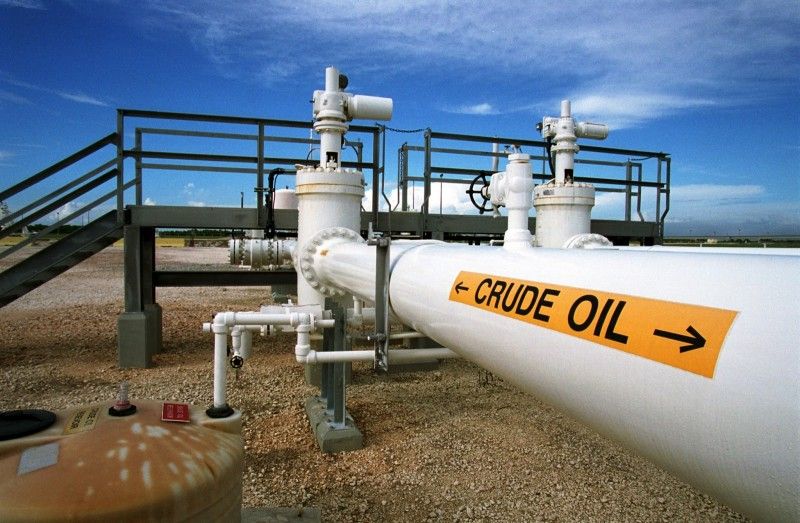
Crude prices soared as the war involving the United States and Israel against Iran disrupted energy markets and heightened concerns about supply shortages and shipping disruptions in the Middle East.
Benchmark Brent crude jumped about 15 percent to more than 105 dollars a barrel on Monday, reaching its highest level since 2022. At one stage during trading the benchmark surged as much as 29 percent.
The sharp rise in oil prices has sent jet fuel costs soaring, placing immediate pressure on airlines that already face disruptions to key flight routes across the Middle East.
Some jet fuel prices have doubled since the start of the conflict, significantly increasing operating costs for carriers.

Airlines are also being forced to reroute flights to avoid conflict zones, increasing flight times and fuel consumption while stretching crew resources.
Analysts warned that the combined pressures could force some airlines to scale back operations.
“Absent near-term relief, airlines around the world could be forced to ground thousands of aircraft while some of the industry’s financially weakest carriers could halt operations,” analysts at Deutsche Bank said in a note to clients.

Airline shares dropped sharply across major markets in Asia and Europe as investors reacted to the spike in oil prices and the uncertain outlook for travel demand.
In Asia, Korean Air slid about 8.6 percent, while Air New Zealand fell 7.8 percent.
Hong Kong’s Cathay Pacific also dropped around five percent during trading.
European carriers saw similar declines.
Shares in Air France‑KLM, International Airlines Group – the parent company of British Airways – as well as Wizz Air and Lufthansa fell between 2.5 percent and six percent in early trade.
Major U.S. airline stocks were also lower by roughly four percent in pre-market trading.
More Read

Consumers are already feeling the impact as airlines pass on rising costs through higher ticket prices.
Data from Google Flights showed that some airfares have increased dramatically within a week.
For example, a direct flight from Seoul to London scheduled for March 11 on Korean Air jumped to about 4,359 dollars, up from just 564 dollars seven days earlier.
Analysts warn that the surge in ticket prices could significantly reduce demand for leisure travel while also prompting companies to cut back on business trips.
“The issue for the airlines now is that travel demand may be curtailed as costs become prohibitive for leisure travellers and as some companies start to limit business travel due to the uncertain outlook,” said Lorraine Tan, director of equity research for Asia at investment research firm Morningstar.
Tan added that high fares could weigh on travel demand for much of 2026 if the conflict continues.
Fuel is typically the second-largest expense for airlines after labour, accounting for roughly 20 to 25 percent of operating costs.
Some major Asian and European airlines protect themselves against oil price swings through fuel hedging strategies.
However, many U.S. airlines abandoned hedging over the past two decades, leaving them more exposed to sudden increases in fuel prices.
Industry officials say the combination of soaring fuel costs and restricted airspace is creating unprecedented operational challenges.
Subhas Menon, director general of the Association of Asia Pacific Airlines, said rising fuel prices would add “significant cost” to airline operations.
“If crude is rising 20 percent, jet fuel is rising several times more as it is even more scarce,” he said, adding that airlines are also facing longer routes and increased crew requirements when airspace is closed.
The conflict has already triggered widespread disruptions to global aviation.
According to aviation analytics firm Cirium, more than 37,000 flights to and from the Middle East were cancelled between February 28 and March 8.
With large sections of airspace restricted, airlines have been forced to carry additional fuel or make extra refuelling stops to allow for possible diversions and longer flight paths.
Major Gulf carriers such as Emirates, Qatar Airways and Etihad Airways play a crucial role in connecting Europe with Asia and the Pacific region.
Together they normally transport about one-third of passengers travelling from Europe to Asia and more than half of those flying between Europe and destinations such as Australia and New Zealand.
Regional airports are also adjusting operations.
At Muscat International Airport in Oman, authorities have asked private jet operators to avoid scheduling additional flights in order to prioritise commercial and government traffic amid ongoing airspace closures.
Meanwhile, flights to several countries including Iraq, Syria, Lebanon and Jordan have been suspended by major Turkish carriers until at least March 13, according to transport authorities in Turkey.
Analysts warn that if the conflict persists and oil prices remain elevated, the aviation industry could face prolonged turbulence similar to previous crises triggered by fuel shocks and geopolitical disruptions.