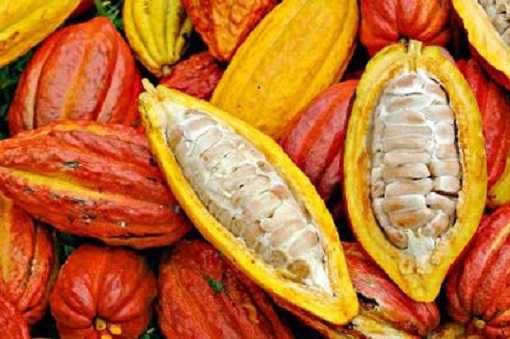
Cameroon has crossed a major milestone in local cocoa processing, with over 80 percent of its national output now processed domestically, following the groundbreaking of a new industrial cocoa plant in Baré-Bakem, in the Littoral Region.
The ceremony was presided over by Minister of Trade Luc Magloire Mbarga Atangana, alongside Minister of Agriculture and Rural Development Gabriel Mbairobe. The plant, owned by Cameroonian entrepreneur Patrice Samen under Samen Industry S.A, will have an annual processing capacity of 32,000 tonnes of cocoa beans.
With this addition, Cameroon’s installed cocoa processing capacity now exceeds 250,000 tonnes per year. During the last cocoa campaign, total commercialised production stood at approximately 300,000 tonnes, meaning that more than four-fifths of the country’s cocoa output is now transformed domestically. Authorities describe this as a world record, surpassing earlier national targets that aimed for 40 percent local processing.

The new plant aligns with Cameroon’s National Development Strategy, NDS30, and the government’s import-substitution policy, aiming to strengthen domestic value addition and reduce reliance on raw commodity exports. By keeping processing local, Cameroon hopes to retain a greater share of revenue within the domestic economy and shield producers from price volatility on international markets.
Minister Mbarga Atangana stressed the importance of ensuring that the benefits of industrial transformation are shared along the cocoa value chain. He called on industrial operators to open their share capital to producer cooperatives, enabling farmers to earn dividends from semi-finished and finished cocoa products in addition to farm-gate payments for cocoa beans.
More Read

“Local transformation is a structural response to fluctuations in global prices,” the Trade Minister said, noting that market opacity and speculation have historically affected the profitability of raw material sales. By increasing domestic processing, Cameroon seeks to stabilize returns for producers and enhance the competitiveness of its cocoa industry internationally.

The Baré-Bakem plant forms part of a broader strategy to structure the cocoa sector, anchor processing within national borders, and increase the share of value retained locally. The government plans to convene stakeholders before the next cocoa campaign in July 2026 to define a national cocoa policy, focusing on revenue distribution while maintaining the high-quality standards for which Cameroon-origin cocoa is renowned.
The development comes on the heels of international recognition: on February 20, 2026, Cameroon won a gold medal at the 10th edition of the Cocoa of Excellence Awards, held alongside the Chocoa Trade Fair in Amsterdam. The accolade reinforces Cameroon’s reputation for producing high-quality cocoa, enhancing its positioning in global chocolate markets.


Industry observers note that the expansion of processing capacity and structural reforms could also attract investment and encourage further industrial growth. By moving beyond the export of raw beans to producing semi-finished and finished cocoa products, Cameroon is joining other African countries in efforts to increase domestic value addition, generate employment, and capture more revenue from global cocoa markets.
The launch of the Samen Industry S.A plant thus marks a pivotal moment in Cameroon’s cocoa sector, signaling the country’s ambition to become a leading processor of its cocoa output while ensuring that the benefits are more evenly distributed among producers, industrial operators, and the wider economy.