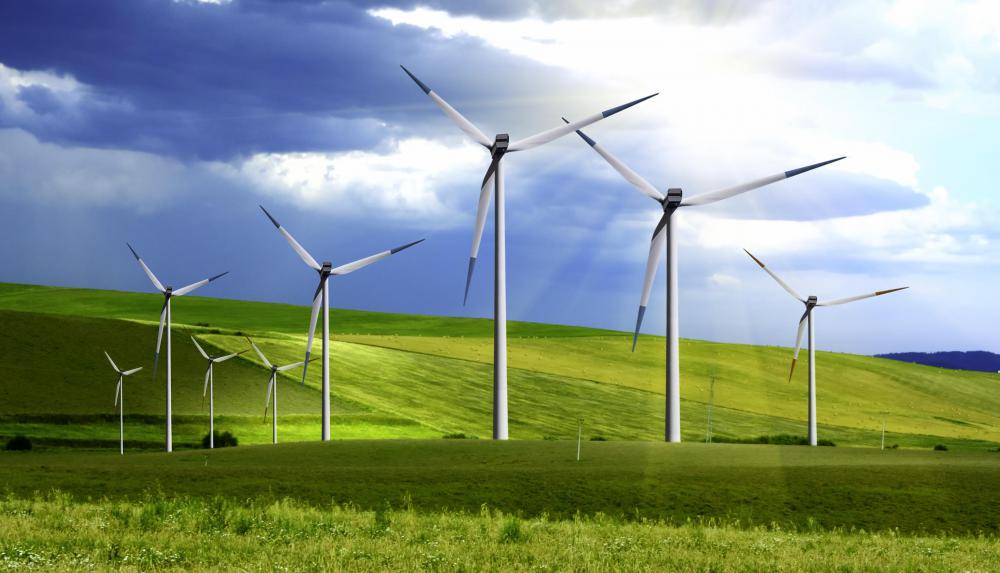
Egypt’s Cabinet has approved the continuation of procedures to offer wind power plants in the Gabal El Zeit area, with a combined capacity of 580 megawatts (MW), officials said on Wednesday. The move is part of the government’s broader strategy to increase private sector participation in strategic infrastructure projects.
The wind farms will be managed by the New and Renewable Energy Authority (NREA) and are being offered under the state’s ongoing offering program, which aims to expand private investment in government-owned assets.

Mohamed El-Homsani, spokesperson for the Prime Minister’s Office, said the Cabinet’s decision underscores Egypt’s commitment to modernizing its energy sector while optimizing the use of state assets. “This approval highlights the government’s ongoing dedication to the offering program, which seeks to broaden ownership, improve efficiency, and ensure the sustainable development of key assets,” he said.
The initiative is part of a wider plan to encourage private sector involvement across multiple sectors, including energy, logistics, industry, and telecommunications. According to El-Homsani, the objective is to increase the ownership base of state enterprises, improve governance, and make Egypt’s market more attractive to both domestic and foreign investors.
“The program is designed to maximize the economic potential of state assets while promoting transparency and good governance,” El-Homsani added.

Egypt has in recent years sought to expand its renewable energy capacity to meet rising domestic demand and fulfill commitments to reduce carbon emissions. The Gabal El Zeit wind farms, located along the Red Sea coast, form a critical part of this strategy. The area is considered one of the country’s most promising zones for wind power due to its consistent high-speed winds and proximity to the national grid.
Under the Cabinet-approved plan, the NREA will oversee the management and operation of the 580 MW wind capacity, with the government offering opportunities for private investors to acquire stakes or participate in joint ventures. Analysts say the program could attract both local and international investors looking to enter Egypt’s growing renewable energy market.
The offering program also aligns with the government’s broader economic reforms, which aim to stimulate growth, create jobs, and enhance Egypt’s investment climate. Authorities have been actively promoting structural changes across state-owned enterprises to improve efficiency, financial performance, and competitiveness.

More on Egypt’s Wind Farms
Egypt has previously conducted offerings in various sectors, and officials hope that expanding these initiatives into renewable energy will accelerate the country’s transition to cleaner energy sources while reducing reliance on fossil fuels.
El-Homsani emphasized that the government is committed to executing the offering program across other strategic sectors. “Plans are progressing to offer shares in major companies spanning energy, logistics, industrial manufacturing, and telecommunications,” he said. “These efforts are aligned with our long-term economic reform agenda and will help generate new employment opportunities while attracting further investment into the country.”
Renewable energy projects like Gabal El Zeit are expected to support Egypt’s national energy strategy, which targets a significant increase in electricity generation from wind and solar by 2030. The projects are also seen as a step toward meeting regional and international commitments on sustainable energy development and carbon reduction.
Market observers say the Gabal El Zeit offering could signal confidence in Egypt’s energy and investment policies. “The initiative is important not only for the country’s renewable energy targets but also as a test case for how effectively Egypt can implement its privatization and investment programs in critical sectors,” said a Cairo-based energy analyst.
The government’s approval paves the way for the NREA and potential private partners to move forward with the development, financing, and eventual operation of the wind farms, marking a key milestone in Egypt’s push for renewable energy expansion and private sector engagement.