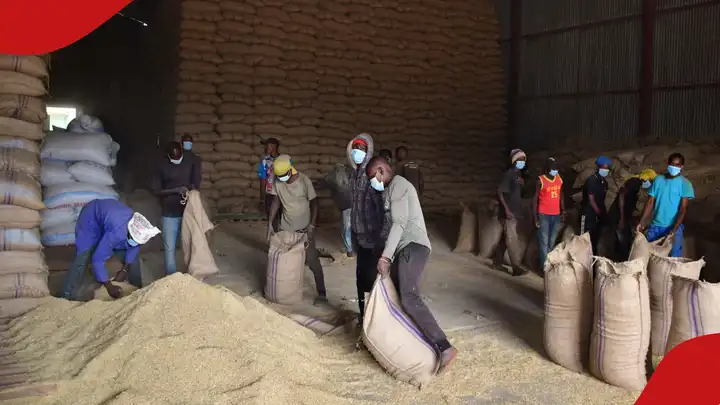
Malawi’s cross-border maize supply agreement with Zambia is in turmoil, with only 15,000 metric tonnes (MT) delivered to the National Food Reserve Agency (NFRA) out of the 100,000MT allocated to local hauliers, amid complaints that Malawian transporters remain unpaid.
Frank Banda, director of the Transporters Association of Malawi, told AFP that the problem is not operational failure but financial neglect. Local hauliers say they have borne the full cost of transporting maize across the border including fuel, tolls and other operational expenses in US dollars while foreign transporters allegedly receive prompt dollar payments.
“How can they prioritise foreign transporters, paying them US dollars, while refusing to pay us?” Banda asked. “We have been using our own resources for this exercise.”
The maize procurement programme was structured so that Malawian transporters would haul 100,000MT, while Zambian hauliers would handle another 100,000MT. The deal, initiated under former President Peter Mutharika in consultation with Zambian President Hakainde Hichilema, was designed to alleviate food shortages affecting over four million Malawians after a devastating farming season.
Transporters say that despite sourcing US dollars at punitive black-market rates to cover cross-border fees and other expenses, invoices submitted since December remain unpaid. They warn that the standoff threatens the continuity of deliveries.
More Read

“If the trucks park, the maize stops. If the maize stops, hunger deepens,” Banda said. “Holding our payment is very sad and disappointing.”
The maize deal is backed by a $77 million facility from the World Bank, raising questions about why local transporters are left financially stranded despite available funding.
Analysts say the dispute exposes broader issues in Malawi’s economic and procurement systems, including reliance on foreign currency payments and uneven prioritisation of local businesses during national emergencies.
More Read

The supply chain disruption highlights the fragility of emergency food distribution and the critical role of local hauliers in delivering maize to areas at risk of hunger.
Authorities have yet to provide a timeline for clearing outstanding payments, and local transporters are demanding urgent intervention to prevent a worsening food security crisis.
Without swift resolution, the stalling of Malawi’s maize deliveries could undermine one of the country’s key mechanisms for preventing hunger, illustrating the tension between financial logistics and national food security imperatives.