Canadian mining giant Barrick Mining Corporation has slipped to third place among the world’s largest gold producers after operational disruptions in Mali sharply reduced its 2025 output, reshaping global industry rankings.
The company, which had long held the position of the world’s second-largest gold producer behind U.S.-based Newmont Corporation, reported total production of 3.26 million ounces in 2025. The decline allowed Canadian rival Agnico Eagle Mines Limited to move into second place after maintaining relatively stable annual production of 3.45 million ounces.
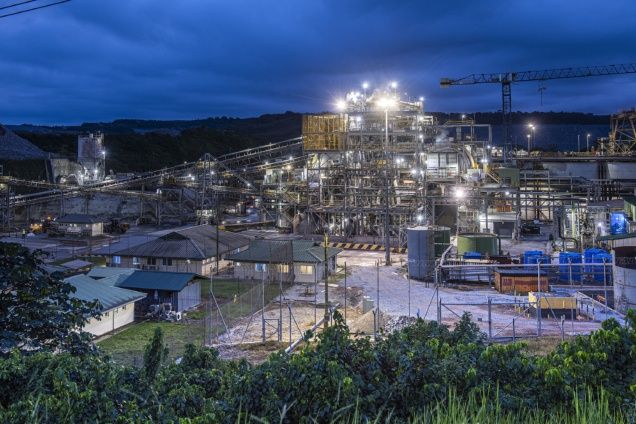
Barrick’s production drop reflects operational challenges across several mining assets, but analysts point to the prolonged shutdown of the Loulo-Gounkoto gold complex in Mali as the primary factor behind the company’s weakened performance.

Output from the Loulo-Gounkoto mine collapsed to just 36,200 ounces in 2025, compared with 723,000 ounces recorded the previous year. The sharp decline followed a dispute between Barrick and the Malian government that halted operations at one of the company’s most productive African assets for much of the year.
The disruption significantly weighed on Barrick’s global performance. In 2024, the company produced 3.91 million ounces, comfortably ahead of Agnico Eagle’s 3.49 million ounces, underscoring how decisive the Mali shutdown proved in altering industry standings.
More Read

Beyond Mali, production also declined at Barrick’s North Mara and Bulyanhulu mines in Tanzania, further tightening overall output. Combined operational pressures ultimately pushed the miner below competitors that have maintained steadier expansion strategies.

Although operations at Loulo-Gounkoto have since resumed following an agreement with authorities in Bamako, Barrick’s prospects of reclaiming second place remain uncertain. The company forecasts production of up to 3.25 million ounces in the current year slightly below its 2025 output and still behind Agnico Eagle’s medium-term production target of roughly 3.5 million ounces annually through 2028.
Competition within the global gold mining sector is also intensifying. China’s Zijin Mining Group, ranked fourth globally in 2025, has announced plans to produce 105 tonnes of gold this year, equivalent to approximately 3.38 million ounces, potentially narrowing the gap with higher-ranked producers.
More Read

Meanwhile, Newmont continues to dominate global production rankings. The company expects output of about 5.3 million ounces, maintaining a significant lead over rivals despite ongoing volatility in commodity markets and operational risks across mining jurisdictions.

Barrick’s changing position comes as the company undertakes broader corporate restructuring aimed at improving efficiency and unlocking shareholder value. Management has announced plans to spin off part of its North American gold assets into a separate entity, with an initial public offering already in preparation.
Industry observers say the episode highlights how geopolitical risks and regulatory disputes increasingly shape mining performance, particularly in resource-rich African jurisdictions where governments are seeking greater revenue participation and tighter control over strategic assets.
For Barrick, restoring stable production in Mali will be critical to rebuilding output momentum. The Loulo-Gounkoto complex has historically been among the company’s cornerstone operations, and sustained recovery there could determine whether the miner regains lost ground in global rankings.
The reshuffle also reflects a broader transition in the gold industry, where operational stability, diversification and government relations are becoming as decisive as mineral reserves in determining global leadership.