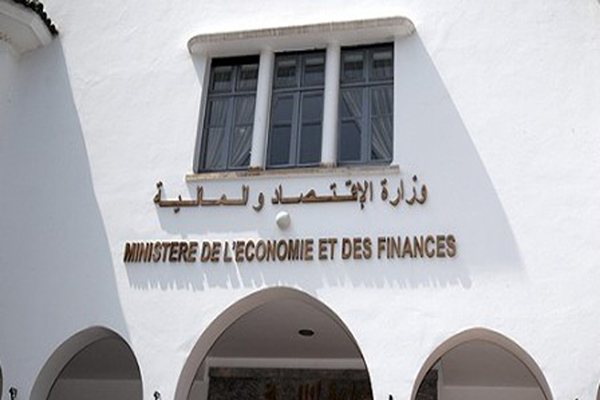
Morocco’s economy ended 2025 on a resilient note, supported by robust domestic consumption, rising investment, and strong tourism, even as the trade deficit widened by nearly one-fifth, according to the Ministry of Economy and Finance.
Household spending remained solid, buoyed by falling prices with inflation at -0.3 percent in November growing remittances from Moroccans abroad, easier access to consumer credit, and the creation of 220,000 paid jobs in the third quarter of the year. Investment activity also accelerated, driven by large structural projects and a 16.9 percent rise in state equipment spending by November.
Foreign direct investment inflows rose sharply, climbing 28.2 percent by the end of October, reflecting Morocco’s continued attractiveness to investors, while imports of capital goods and lending for equipment purchases also strengthened.
Sectoral performance was broadly positive. Agriculture benefited from favourable climatic conditions, with the 2025–2026 season supported by a dam filling rate of 34.7 percent by December 24. Agricultural exports grew 7.3 percent by October. Industrial activity recorded mixed but generally positive outcomes, with manufacturing output rising 2.2 percent in the third quarter and extractive industries expanding by 7.4 percent. Electricity production increased 6.1 percent, and cement sales a proxy for construction activity jumped 10.6 percent by November.
The services sector saw continued consolidation. Tourism arrivals reached 18 million visitors, up 14 percent year-on-year, while travel receipts increased 16.7 percent by October, reflecting Morocco’s appeal as a travel destination despite global uncertainties.
More Read

However, Morocco’s external accounts showed rising pressures. Exports rose only 2.6 percent by October, largely driven by phosphates and derivatives (+16.7 percent), aeronautics (+8.3 percent) and agricultural products (+1.1 percent). Imports increased 9.4 percent, mainly across non-energy categories, although energy imports fell 4.4 percent. As a result, the trade deficit widened 19.6 percent, and the coverage ratio fell to 56.5 percent. Official foreign exchange reserves were sufficient to cover five months and 21 days of imports at the end of October.
Public finances mirrored the external pressures. The budget deficit reached MAD 71.6 billion by November, up from MAD 50.8 billion a year earlier, as overall expenditure surged 17.3 percent while ordinary revenues rose only 13.4 percent. Credit to the economy grew 6 percent by October, driven by lending to both financial and non-financial sectors.
The Casablanca Stock Exchange indices, MASI and MASI 20, fell about 5% in November but remained more than 25 percent above their December 2024 levels, reflecting underlying resilience in equities despite short-term volatility.
More Read

Globally, Morocco’s performance unfolded against a backdrop of slowing international growth. OECD projections cited in the report anticipate global GDP growth decelerating from 3.2 percent in 2025 to 2.9 percent in 2026. Oil prices remained under pressure, with Brent crude at $64 per barrel on December 23, reflecting abundant supply and moderate demand.
Analysts said Morocco’s 2025 economic performance reflects the dual reality of strong domestic dynamics contrasted with external vulnerabilities. While domestic demand, job creation, investment, and tourism showed robust gains, rising imports and a widening trade deficit highlight challenges in external balances that could influence policy priorities in 2026.
“Despite pressures on the external front, the Moroccan economy’s ability to sustain growth, generate jobs, and attract foreign investment demonstrates structural resilience,” the Ministry report said.
Morocco’s government has pursued a policy mix of fiscal stimulus, infrastructure investment, and incentives for strategic sectors, aiming to maintain growth momentum while strengthening macroeconomic stability. With a fragile global backdrop expected in 2026, sustaining export competitiveness and controlling the trade deficit will remain key priorities.