
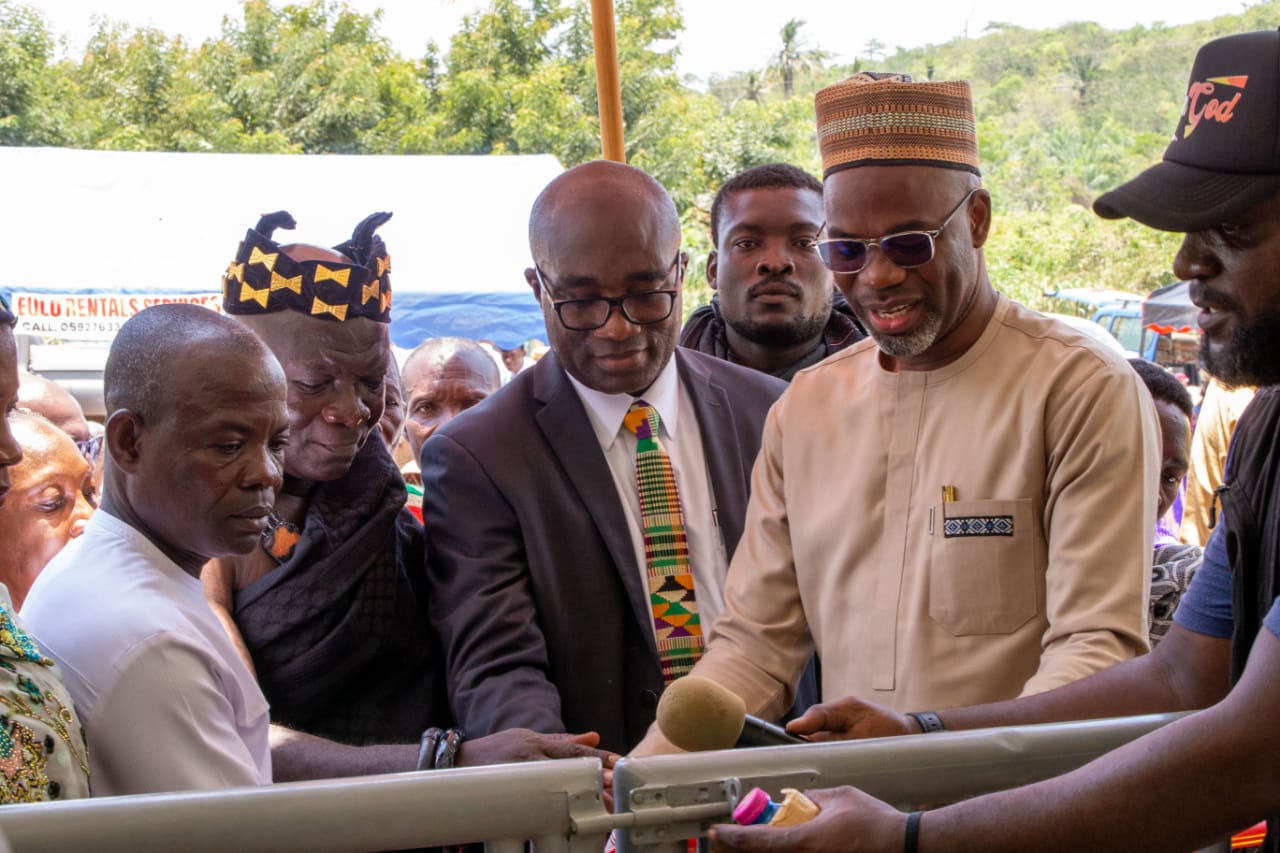
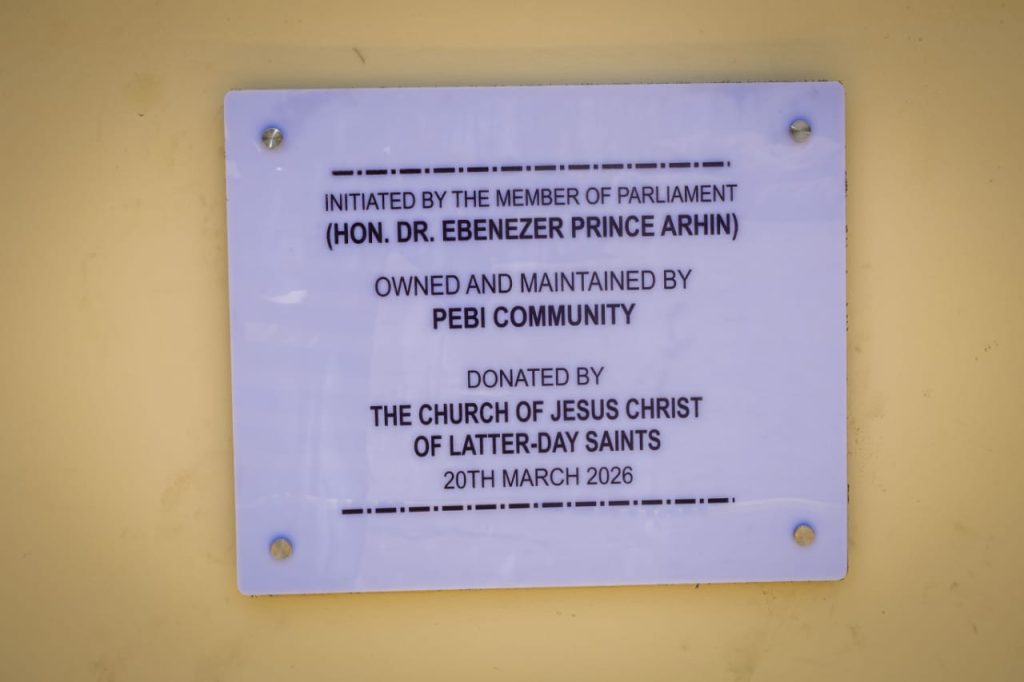
The Church of Jesus Christ of Latter-day Saints has commissioned a new Community Health Planning and Services (CHPS) clinic at Daadagua, alongside a package of Water, Sanitation and Hygiene (WASH) infrastructure across the Mfantseman Constituency, in partnership with local authorities and community stakeholders.
The projects, delivered through the Church’s humanitarian arm, were undertaken in collaboration with the Member of Parliament for Mfantseman, Hon. Ebenezer Prince Arhin.


The commissioning ceremony brought together traditional leaders, representatives of the Ghana Health Service, and members of the community under the theme: “Building the Mfantseman we want, the humanitarian way.”
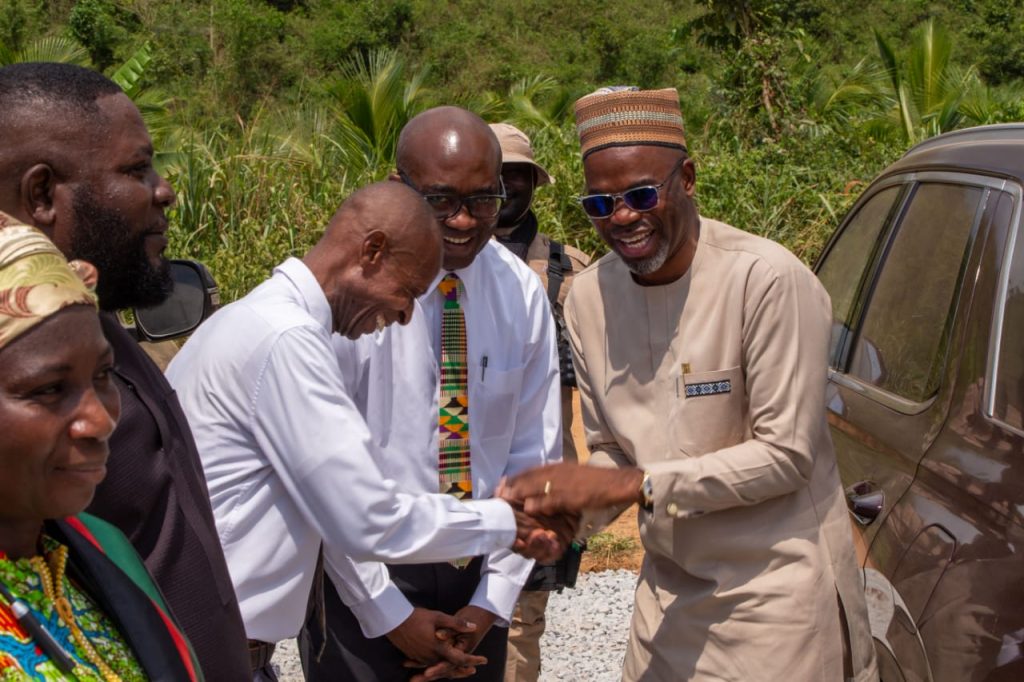
The newly constructed CHPS clinic at Daadagua is designed to serve as a frontline healthcare facility for residents in the community and surrounding areas, delivering preventive, promotive, and basic curative services in line with Ghana’s community-based health delivery model.
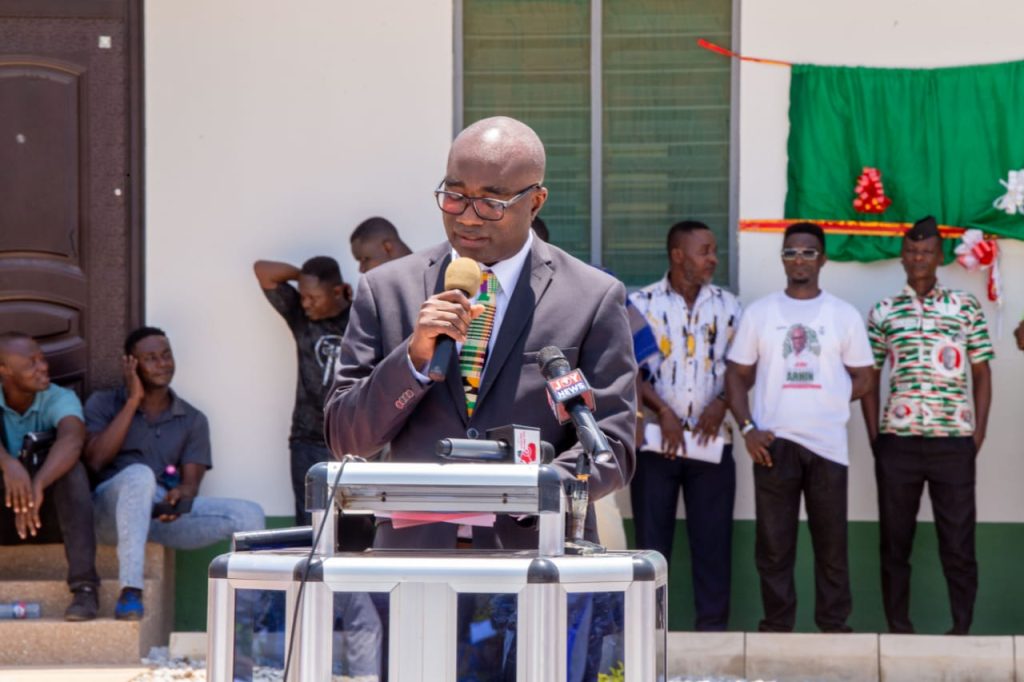
Speaking at the ceremony, Elder Isaac K. Morrison, representing the Church, reaffirmed its commitment to humanitarian service, noting that the commissioning of the Daadagua CHP clinic and WASH infrastructure reflects the Church’s broader humanitarian strategy in Ghana, focused on sustainable, community-driven development.


“The Church of Jesus Christ of Latter-day Saints believes that service to others is inseparable from faith. These facilities reflect partnerships built on trust with communities and public institutions. We hope they will serve generations to come, and we remain committed to expanding this work wherever the need is greatest,” he explained.

The Church funded and equipped the facility as part of its ongoing commitment to improving access to quality healthcare in underserved communities. Once operational, the clinic will be managed by the Ghana Health Service, which has committed to staffing and maintaining the facility to ensure sustainable service delivery.
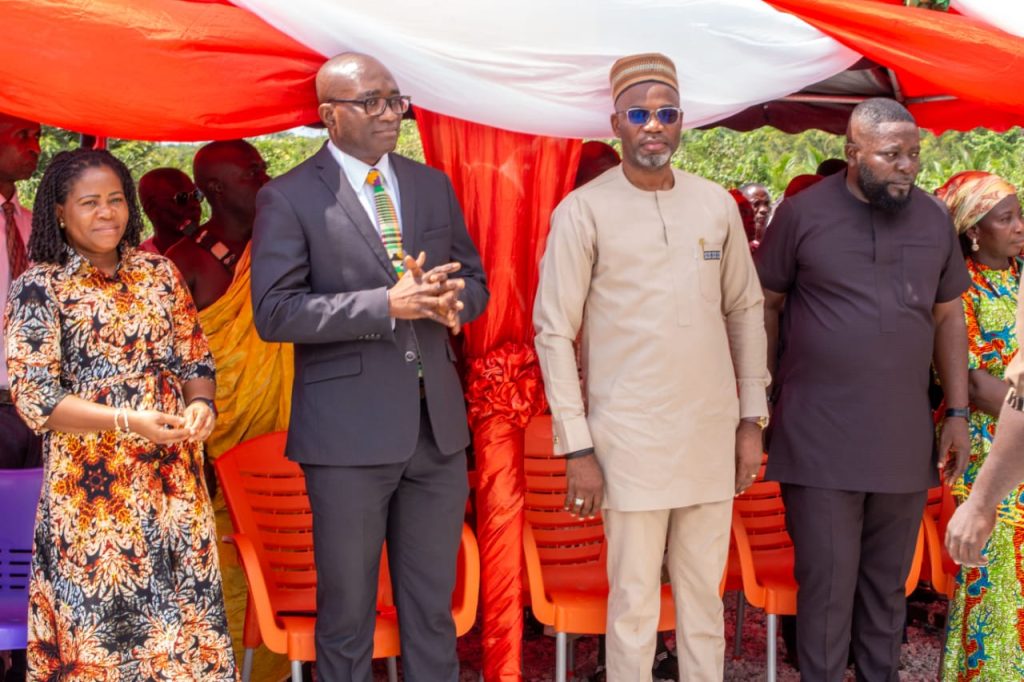
By working in partnership with government agencies, traditional authorities, and local leaders, the Church continues to support long-term improvements in health, sanitation, and quality of life, he added.
The project includes a modern ten-seater sanitation facility supported by a borehole, significantly improving access to safe water and hygienic sanitation in the area. This intervention responds directly to longstanding challenges in rural and peri-urban communities, where inadequate sanitation infrastructure continues to affect health outcomes.
The Anomabo Omanhene, Nana Kantamanto Amonu, who chaired the ceremony, welcomed the development and emphasised the importance of community stewardship.

“The stool has always stood as the guardian of this land and its people. When our communities lack clean water and accessible healthcare, we all bear the burden. Today, that burden is eased. We receive these facilities with gratitude and call on our people to protect and preserve them for future generations,” he noted.
The Member of Parliament, Hon. Ebenezer Prince Arhin, highlighted the importance of partnerships in driving constituency development:
“This is what it looks like when a constituency takes its development seriously. The CHPS clinic and WASH facilities are a foundation for improved service delivery, and we will continue to pursue partnerships that advance the well-being of our people,” the MP stated.
Receiving the facility on behalf of the Ghana Health Service, Municipal Health Director Mrs. Gifty Ankrah underscored its operational significance, saying: “The CHPS system depends on functional infrastructure to deliver essential services. This facility fills a critical gap in our health coverage, and we are committed to ensuring it achieves its full impact through proper staffing and management. “
About The Church of Jesus Christ of Latter-day Saints in Ghana
The Church of Jesus Christ of Latter-day Saints established its presence in Ghana in 1978, making Ghana one of the earliest countries in sub-Saharan Africa to formally receive the Church. In the nearly five decades since, Ghana has grown into one of the Church’s most significant centres of membership and humanitarian activity on the African continent, with a national membership exceeding 100,000 and congregations spread across all sixteen regions.


