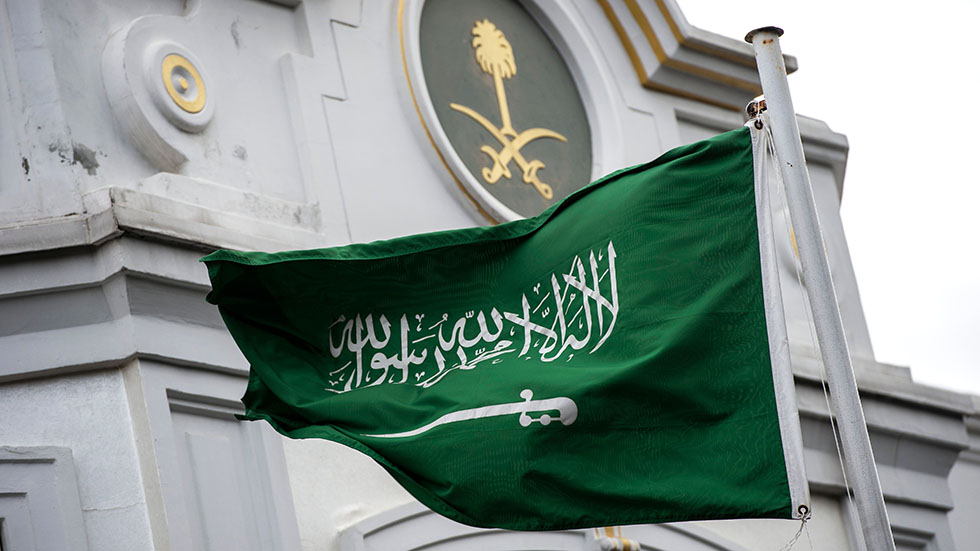
Saudi Arabia has carried out at least 340 executions in 2025, marking the highest number recorded in the kingdom’s modern history and drawing renewed international condemnation over its use of the death penalty.
Human rights groups say the figure represents a sharp escalation compared with previous years, reinforcing concerns about Riyadh’s reliance on capital punishment despite repeated pledges of judicial reform. The executions were carried out for a wide range of offences, including murder, drug-related crimes, terrorism-related charges, and offences linked to national security.
According to monitoring organisations, a significant proportion of those executed were convicted of non-violent drug offences, a category that Saudi authorities had previously signalled could be exempted from the death penalty. While the kingdom announced in 2021 that it would limit executions for drug crimes, observers say those assurances have not translated into sustained policy change.

The pace of executions accelerated notably in the second half of the year, with multiple instances of mass executions reported. In several cases, authorities announced the deaths of dozens of prisoners in a single day, often without providing detailed information about the trials or evidence used to secure convictions.
Foreign nationals were among those executed, prompting diplomatic concerns from several countries whose citizens were affected. Rights advocates argue that migrant workers and foreign defendants are particularly vulnerable to unfair trials, language barriers, and limited access to legal representation.
More Read

Saudi officials defend the use of capital punishment as a necessary tool to maintain public security and deter serious crime. State media has consistently framed executions as lawful penalties imposed after exhaustive judicial processes, in line with Islamic law. The government also maintains that defendants are granted the right to appeal through multiple levels of the court system.
However, international organisations including Amnesty International and Human Rights Watch have criticised Saudi Arabia’s judicial process, citing allegations of coerced confessions, secret trials, and the use of torture. They warn that the scale of executions in 2025 undermines the kingdom’s efforts to project an image of modernisation under its Vision 2030 reform agenda.
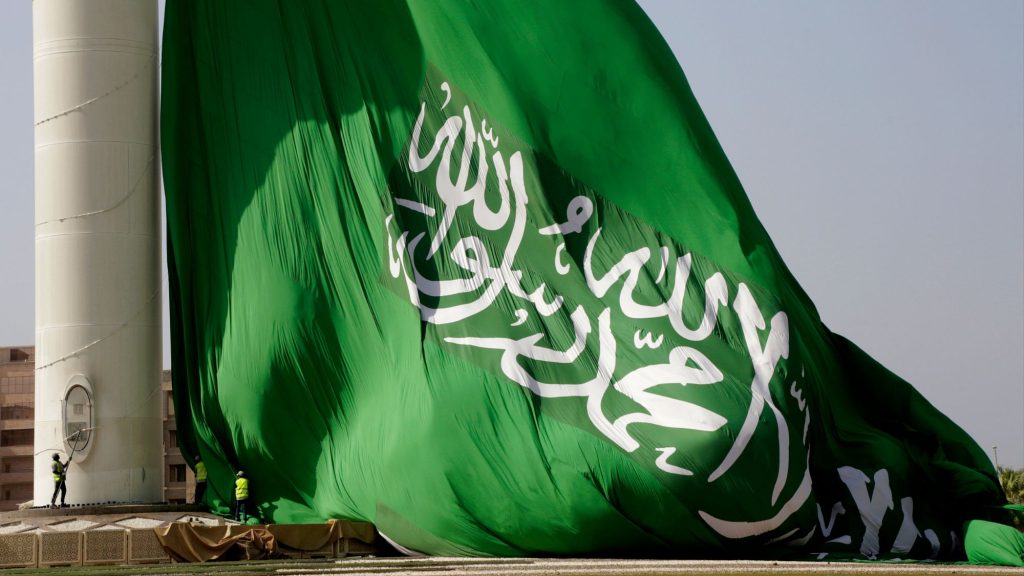
The surge in executions comes amid broader geopolitical and domestic pressures, with analysts noting that governments facing security concerns often resort to harsher criminal enforcement. Critics counter that capital punishment has failed to demonstrate a clear deterrent effect and instead deepens fears of repression.

Calls are growing for Saudi Arabia to impose an immediate moratorium on executions and to commute death sentences, particularly for non-violent offences. The United Nations and several European governments have urged the kingdom to align its justice system with international human rights standards.
As 2025 draws to a close, Saudi Arabia’s record execution rate is likely to remain a focal point of global scrutiny, raising fresh questions about the balance between state security, legal reform, and fundamental human rights.
Tanzania turns to PPPs to tackle stubborn neonatal death rates