Togo has rolled out a new initiative combining organic agriculture and renewable energy to support the economic empowerment of rural women, local media reported on March 16, 2026. The program, titled “EcoFemmes: Organic Agriculture and Green Energy,” targets 130 women in the Kloto 1 commune, providing resources, training, and access to green technologies.
Backed by more than 52 million CFA francs (US$84,000) in funding from the International Organization of the Francophonie (OIF) over 36 months, the project will operate across two sites in Volové and Nyivé Wodomé, spanning over three hectares. Secured farmland allows participants to cultivate crops with reduced risk and improved yields.

Essi Mansan Séna Chakpla, coordinator of the NGO AIL overseeing implementation, emphasized the importance of land security for women farmers. “We have secured the land so that the women can produce with peace of mind. This is a crucial step for their empowerment,” she said.
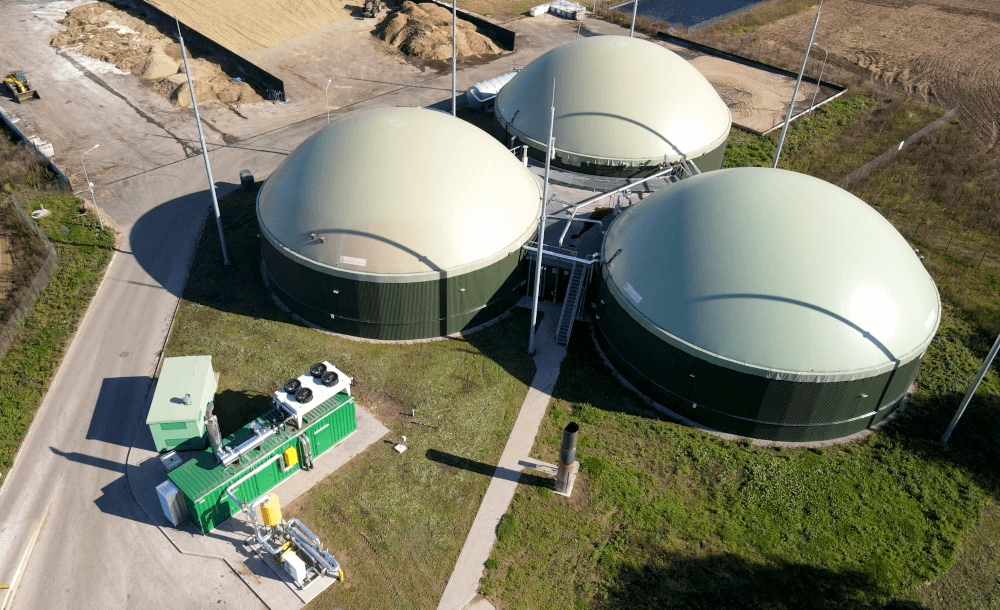
The project integrates an energy component through biodigesters designed to produce biogas. Beneficiaries will be trained to convert organic waste into biofertilizers, bioprotectants, and biogas, creating a sustainable energy source while improving soil fertility. The training also covers environmentally friendly farming methods to ensure long-term sustainability and productivity.
Beyond production, participants will gain skills in product processing, financial management, entrepreneurship, and digital marketing. These components are designed to enhance market access, increase the value of agricultural output, and support income diversification. Organizers hope that by equipping women with both technical and business skills, the program will foster self-reliance and sustainable livelihoods.
More Read

In addition, ten volunteers will be trained to construct biodigesters, expanding the availability of renewable energy technology in rural communities. The initiative is expected to reduce reliance on traditional fuels such as firewood and charcoal, lowering household energy costs and cutting emissions linked to conventional energy use.
Project coordinators highlight that combining organic agriculture with renewable energy offers multiple benefits: improved agricultural productivity, environmentally sustainable energy production, and the empowerment of women as drivers of local economic development.
By integrating organic farming practices with renewable energy solutions, EcoFemmes positions rural women at the forefront of Togo’s green economy. Organizers expect the model to be replicable across other regions, demonstrating the potential for women-led initiatives to strengthen food security, reduce environmental impact, and promote social equity.
More Read

The program reflects a growing regional focus on linking sustainable agriculture with clean energy, while targeting vulnerable populations such as rural women. By providing both land access and technical support, the initiative aims to create a self-sustaining cycle of production, training, and market engagement.
As Togo advances its green economy agenda, projects like EcoFemmes are seen as key examples of how climate-friendly agriculture and renewable energy can drive economic empowerment and inclusive development. Beneficiaries are expected to serve as local champions, sharing skills and technologies to expand the project’s impact beyond the initial 130 participants.
In summary, the launch of EcoFemmes: Organic Agriculture and Green Energy marks a strategic effort to empower women, enhance agricultural productivity, and promote sustainable energy use. Through land security, technical training, and renewable energy integration, the project seeks to improve livelihoods, reduce environmental pressures, and establish a model for scalable rural development in Togo.