Nigeria risks higher inflation due to surging global oil prices, the World Bank warned Tuesday, attributing the spike to the ongoing conflict in the Middle East between the United States, Israel, and Iran.
In its Nigeria Development Update, the multilateral lender said rising crude prices could add around 3.1 percentage points to headline inflation, largely through higher transport and energy costs.

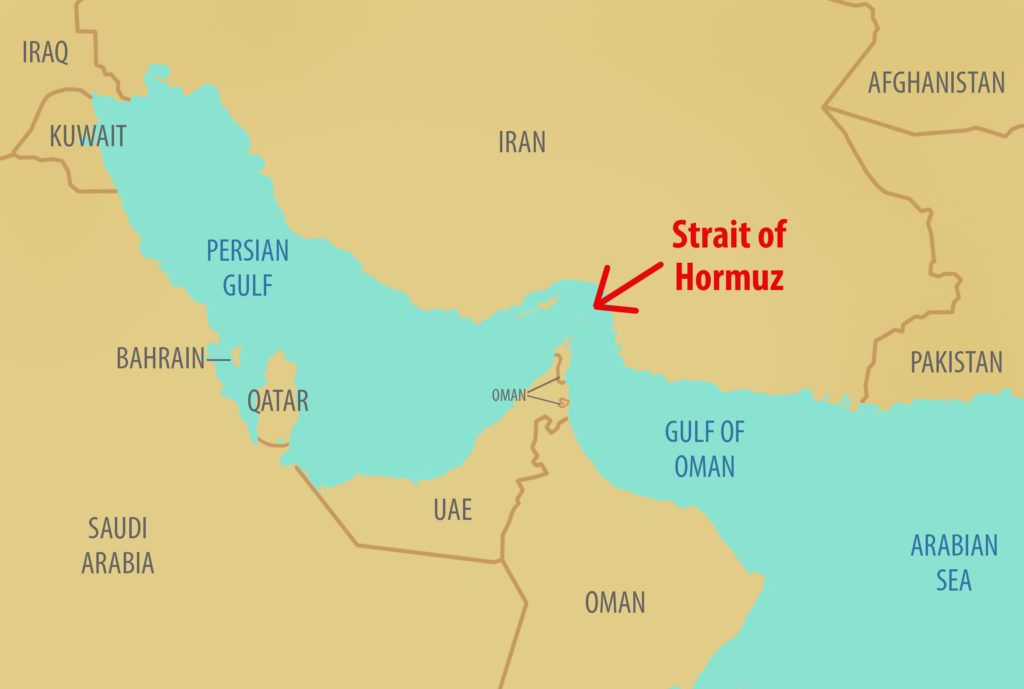
The conflict, which began in late February, saw Iran close the Strait of Hormuz, disrupting global oil shipments and sending crude prices from below US$70 a barrel to over US$100 by mid-March. Nigeria’s headline inflation in February stood at 15.06 percent, already reflecting persistent domestic price pressures.
Transport and energy costs drive inflation
The World Bank said the increase in oil prices to roughly US$80 per barrel, a 31.1 percent rise relative to pre-conflict levels, would directly impact the economy under a full pass-through scenario. Transportation and other energy-linked goods account for around 10 percent of the consumer price index (CPI), amplifying the effect on overall prices.
“While this estimate captures only the direct effect, the overall impact could be larger once indirect channels are considered,” the report said. Rising fuel and electricity costs translate into higher logistics, transport, and production costs, feeding into consumer prices across sectors.

The report highlighted that Dangote Refinery, Nigeria’s largest domestic petroleum processor, ceased issuing import licenses in early 2026, further pushing up domestic petrol prices. By March 23, the refinery had raised the ex-depot price of Premium Motor Spirit (PMS) to around N1,275 per liter, compared to an estimated import-parity price of N1,122 – a 12 percent premium.
Food prices also under pressure
Beyond energy, the World Bank cautioned that the conflict could raise food prices in Nigeria. Disruptions in global markets have pushed up the cost of fertilizers and agricultural inputs, with effects feeding into domestic production and retail prices.
“The conflict is likely to put upward pressure on food prices, as rising global food and fertilizer costs feed into domestic inflation,” the report stated.
More Read

Exchange rate and policy considerations
The World Bank noted that a potential appreciation of the naira could partially offset these pressures. However, policymakers face limited room to maneuver, as fiscal and monetary policies must balance inflation control with support for economic recovery.
Analysts said the spike in fuel prices and global commodity costs could slow post-pandemic economic recovery, squeeze household budgets, and exacerbate social tensions if prices continue rising.
Outlook
Nigeria, Africa’s largest oil producer, is particularly vulnerable to external shocks given the centrality of oil in government revenue and the economy at large. The World Bank warned that sustained high oil prices could lead to wider inflationary pressures unless domestic measures and exchange rate management cushion the pass-through.
The report underscores the fragility of Nigeria’s inflation trajectory, already elevated due to structural bottlenecks in energy supply, transport, and food distribution. The interplay of global oil dynamics, domestic refining policies, and currency movements will be key determinants of consumer price trends in the coming months.