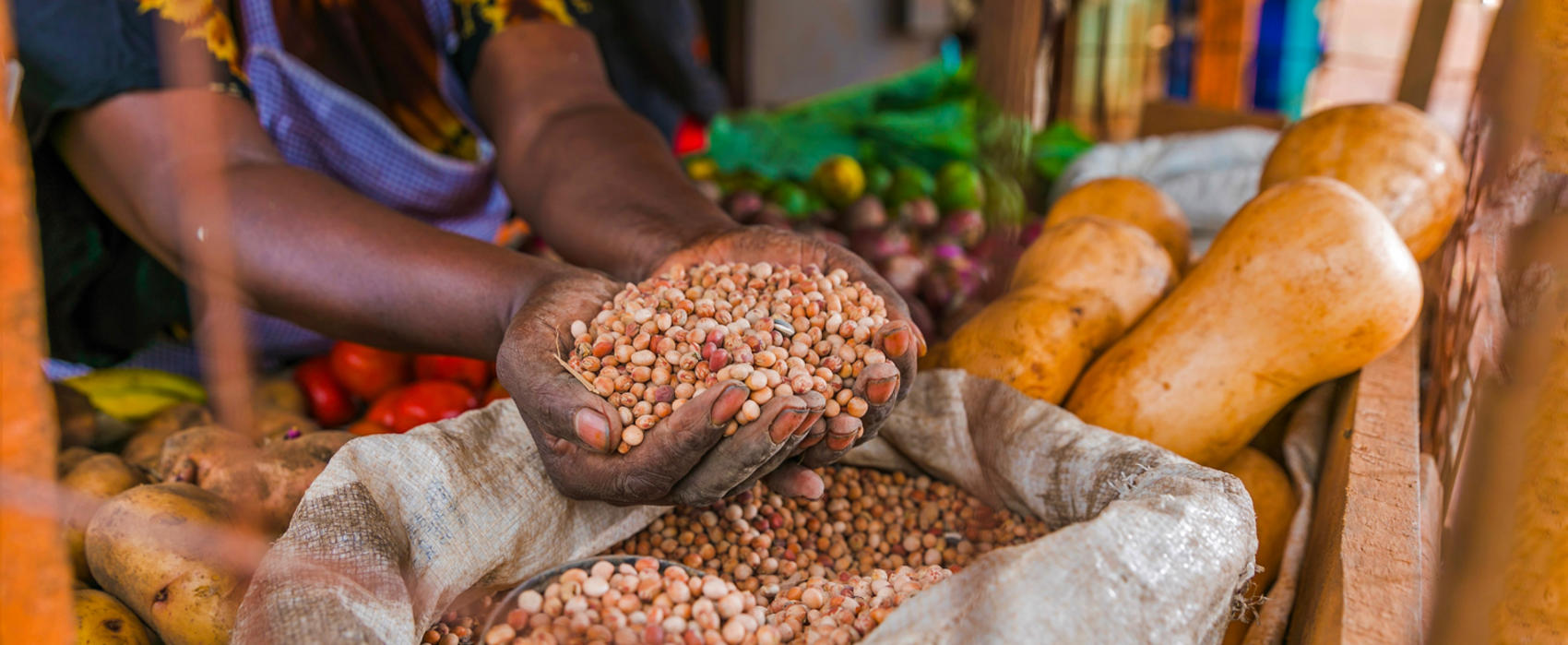
The Global Shea Alliance opened its annual conference in Ghana’s capital, calling for greater investment in processing and value addition to help African producers capture more benefits from the fast-growing global shea industry.
The meeting, held under the theme “Shea 2026,” brought together industry stakeholders, policymakers and producers from across Africa to discuss ways of transforming the sector beyond raw material exports.
The Global Shea Alliance (GSA), which brings together companies involved in the production and trade of shea nuts, butter and derivatives, said the sector is increasingly important for food, cosmetics and confectionery industries worldwide due to rising demand for natural ingredients.

Speaking at the opening ceremony, Ghana’s Vice President Jane Naana Opoku-Agyemang said African countries risk missing out on significant economic gains if they continue exporting raw shea nuts instead of processed products.
She said shifting toward value-added production would create jobs, boost rural incomes and strengthen export earnings across producing countries.

“Global demand for shea continues to expand as the food, confectionery, and cosmetics industries increase their use of shea derivatives,” she said, adding that Ghana’s development strategy places strong emphasis on industrialisation and continuous production.
She noted that hundreds of thousands of women in northern Ghana are involved in shea collection and processing, describing the sector as a key source of livelihood in rural communities where shea trees are part of everyday life.
The vice president said Ghana’s economic strategy, including its so-called 24-hour economy policy, aims to support continuous production and processing across key sectors such as agriculture and agro-industry.
More Read


She also urged other African producing countries to adopt policies that encourage local processing and reduce dependence on raw exports, arguing that value addition is essential for long-term economic transformation.
Representing developments in other producing countries, John Owan Enoh, minister of state for industry in Nigeria, said recent policy measures restricting the export of raw shea nuts had already begun to strengthen domestic processing capacity.
He said the policy shift had improved farm-gate prices, attracted new investment in processing facilities and increased interest from international buyers seeking partnerships with local producers.
Marion Etyang Busingye, interim chairperson of the Nilotica Shea Alliance in Uganda, emphasised the social and environmental importance of the sector, describing shea production as part of a broader ecosystem linking communities, landscapes and economic opportunity.
“It is part of a living ecosystem of communities, landscapes, and opportunities,” she said, adding that cooperation across countries was essential to ensuring the long-term sustainability of the industry.

The Global Shea Alliance, established in 2011, works to develop a more competitive and sustainable global shea industry, with a focus on improving livelihoods for rural women who form the backbone of production across West Africa.
More Read

The organisation said its mission is to promote strategies that enhance value creation, ensure environmental sustainability and strengthen the participation of local communities in global supply chains.
Industry participants at the conference said rising international demand for shea-based ingredients presents a major opportunity for African economies, particularly if countries can move up the value chain from raw exports to finished and semi-processed goods.
However, they also noted challenges including limited access to financing, weak processing infrastructure and fragmented supply chains, which continue to constrain industrial expansion in the sector.
Despite these challenges, delegates expressed optimism that coordinated policy action and increased investment could help transform shea into a more significant driver of rural development and export growth across Africa.