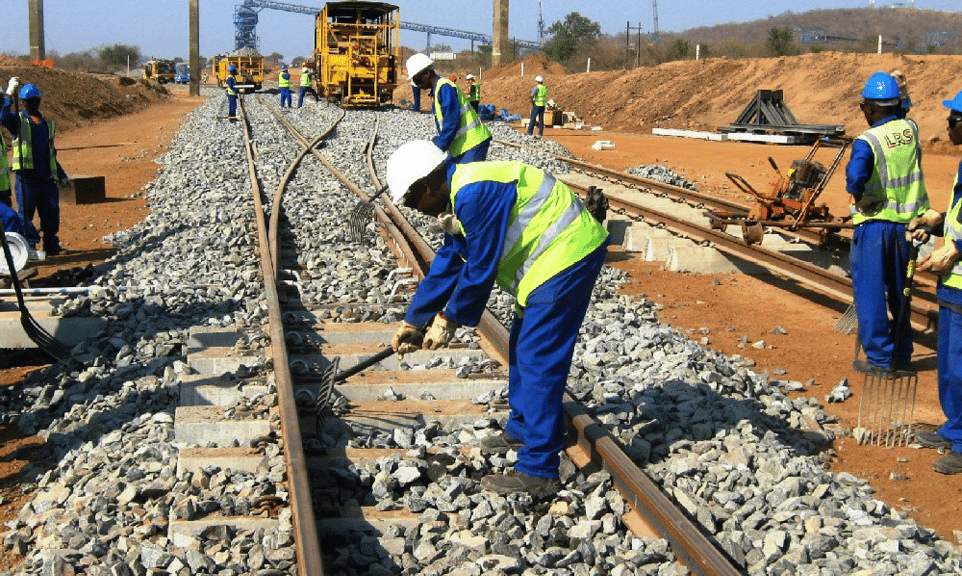
Mozambique will begin the second phase of a major upgrade of the Ressano Garcia railway line linking the country to South Africa in July, as authorities seek to boost freight capacity along one of southern Africa’s most important trade corridors.
State-owned ports and rail operator Portos e Caminhos de Ferro de Moçambique (CFM) said the next stage of the double-tracking project will involve an investment of around US$160 million and is expected to significantly improve the movement of goods through the Maputo Corridor.
The company said a contractor for the works is expected to be announced next month, paving the way for construction on the strategic rail link, which connects Mozambique’s capital Maputo to South Africa’s industrial heartland.
CFM described the Ressano Garcia line as a critical logistics corridor and a vital connection between the two neighbouring economies.
“The project is aimed at increasing rail transport capacity and improving cargo flows along the Maputo Corridor,” the company said in a statement.
More Read

The upgrade forms part of broader efforts by Mozambique to modernise its transport infrastructure and strengthen its position as a regional logistics hub serving southern Africa’s mining, manufacturing and agricultural sectors.
According to CFM, the first phase of the double-tracking project has already delivered substantial gains, increasing the annual transport capacity of the railway from about 13 million tonnes to 24 million tonnes.
The operator said the expansion had demonstrated the strategic importance of rail infrastructure in enhancing national competitiveness and facilitating trade.
More Read

The announcement comes despite mounting challenges facing Mozambique’s transport network following severe flooding earlier this year.
CFM said extreme weather events disrupted operations on the Limpopo railway line, the country’s second most important rail corridor, forcing services to halt for approximately three months.
The company estimated losses from the disruption at around $12 million, while about 130 trains were affected by the flooding.
The impact of the floods has highlighted the vulnerability of transport infrastructure to climate-related shocks and reinforced the need for greater resilience in future investments.
“Expanding rail capacity is essential, but ensuring infrastructure is resilient to weather events is equally urgent,” CFM said.
“The future of national logistics requires investment, modernisation and responsiveness.”
More Read

Government data indicate that Mozambique’s railway sector has shown signs of recovery in 2026 following disruptions linked to post-election unrest last year.
According to figures from the Ministry of Transport and Logistics, passenger traffic on the national rail network nearly doubled in the first quarter of the year to 151,400 passengers, compared with 77,300 passengers during the same period in 2025.
The government has set a target of transporting nearly 631,000 passengers by rail this year.
Freight transport has also expanded, with 3.6 million tonnes of cargo moved during the first three months of 2026, representing an increase of almost 15 percent compared with the same period last year.
The first-quarter figure accounts for nearly one-fifth of the annual freight target established by authorities.
Despite the growth in traffic, CFM reported losses of approximately $47 million during the first quarter due to infrastructure damage and cargo disruptions caused by flooding.
Mozambique has identified railway expansion as a key pillar of its long-term economic development strategy.
The government announced plans in 2025 to invest 14 billion meticais (about $193 million) by 2030 to strengthen passenger and freight rail services through network upgrades and the acquisition of rolling stock.
The programme includes the completion of the remaining 25 kilometres of double-tracking on the Ressano Garcia line, the purchase of more than 30 passenger carriages, and the acquisition of 250 freight wagons to meet rising demand from the mining sector.
Authorities also plan to procure at least 15 mainline locomotives by the end of the decade as they seek to increase efficiency and expand cargo handling capacity across the national rail network.
The latest investment in the Mozambique-South Africa rail connection is expected to further strengthen regional trade links and support economic activity across southern Africa.