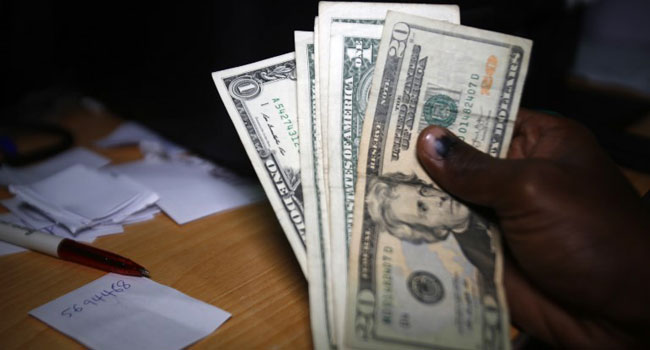
The South African rand was largely unchanged against the dollar on Friday, resisting broader pressure on emerging-market currencies as a stronger U.S. currency and cautious global investor sentiment weighed on risk appetite.
At 0720 GMT, the rand traded at 16.50 per dollar, almost unchanged from its previous close.
The dollar index, which measures the greenback against a basket of major currencies, remained close to its highest level since May 2025 after recent U.S. inflation data kept expectations around the Federal Reserve’s interest rate path in focus.
A stronger dollar typically puts pressure on emerging-market currencies by making their assets less attractive to international investors and increasing the cost of dollar-denominated debt.
South Africa’s currency also faced pressure from weaker prices for key mineral exports. Gold prices fell 0.5 percent and were on track for a fourth consecutive weekly decline, while platinum prices dropped 1.5 percent.
More Read

“For now, global sentiment remains the dominant driver of USD/ZAR, but local structural risks continue to limit the rand’s upside,” said Andre Cilliers, currency strategist at TreasuryONE.
The rand, like many other risk-sensitive currencies, tends to move in response to global factors including changes in U.S. monetary policy, commodity prices and investor confidence.
Despite the currency’s stability, South African equities opened lower. The benchmark Top-40 index on the Johannesburg Stock Exchange fell 0.6 percent in early trading.
More Read

The country’s benchmark 2035 government bond remained steady, with yields holding at 8.21 percent during early deals.
Analysts said investors were continuing to balance external pressures from global markets with domestic economic factors, including South Africa’s growth outlook, fiscal position and structural challenges.
The rand’s ability to withstand dollar strength has been supported in recent sessions by relatively high interest rates and demand for South African assets, although analysts warned that continued global uncertainty could limit further gains.